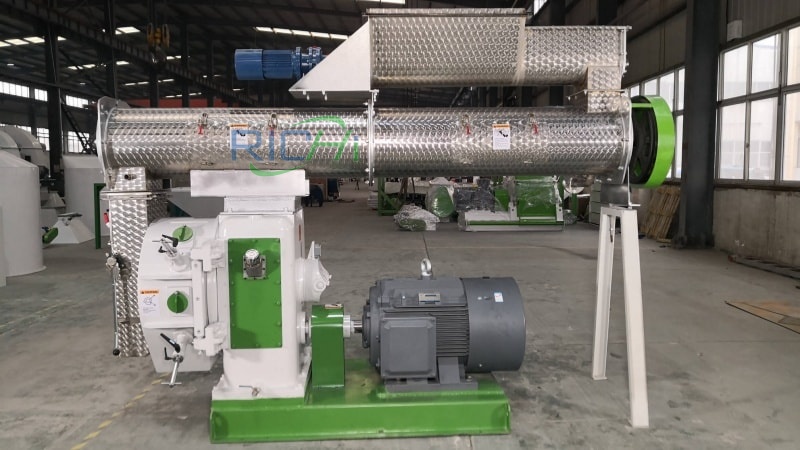
How Small Farms Can Process Cassava Into Animal Feed Pellets
Small livestock farms often have access to locally grown cassava, but fresh roots and cassava…


Small livestock farms often have access to locally grown cassava, but fresh roots and cassava…
When entrepreneurs research cat litter manufacturing, equipment price is often the first number they ask…
The United States has one of the largest and most mature pet care markets in…
The challenge with livestock manure is not only how much is produced. It is also…
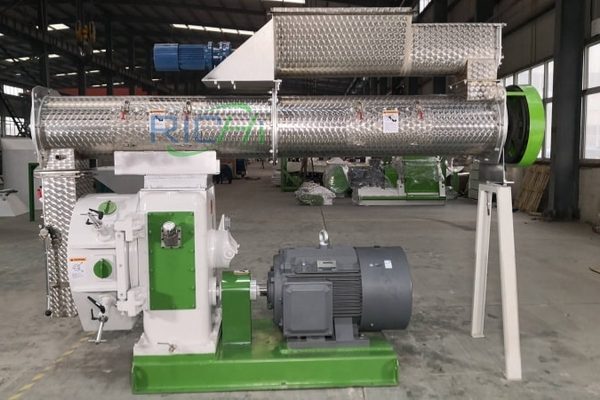
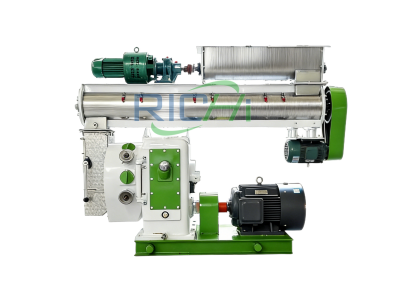
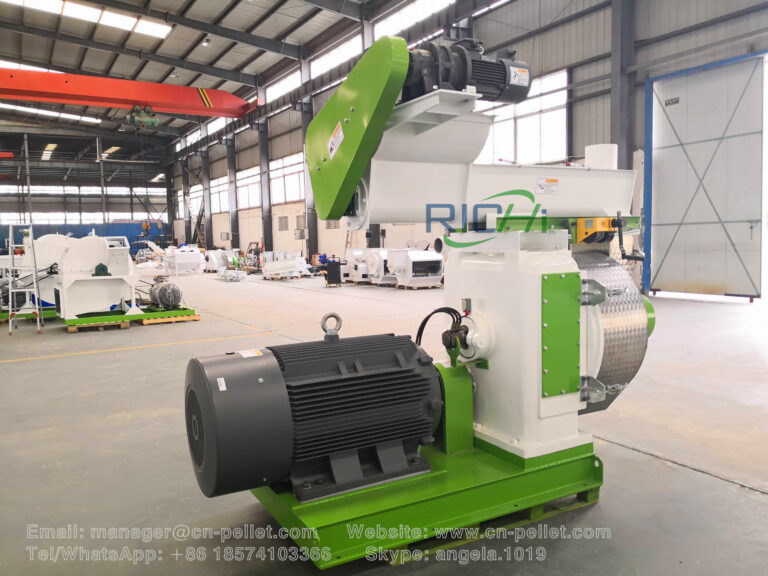
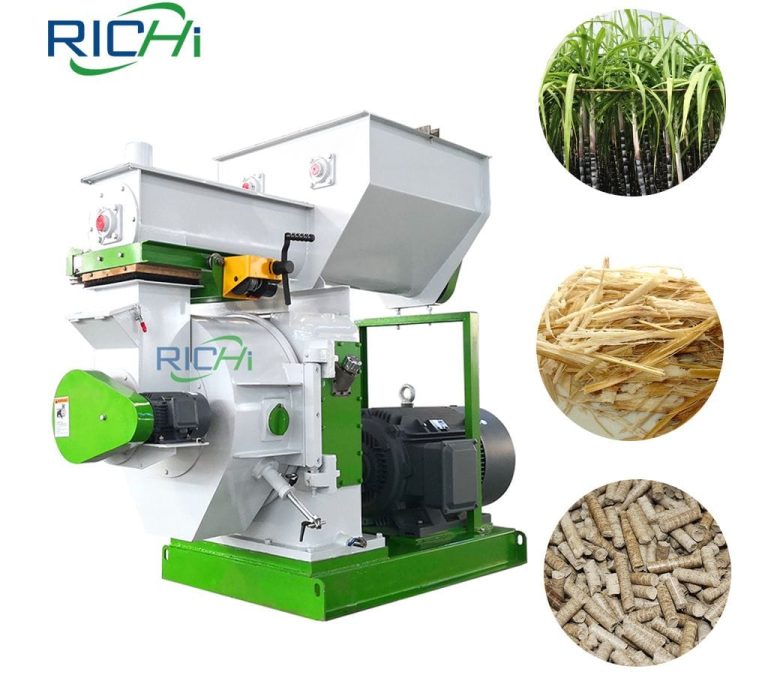
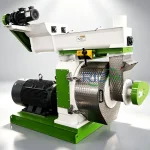
Small livestock farms often have access to locally grown cassava, but fresh roots and cassava chips are not always convenient to store or feed directly. Processing cassava into pellets can make the material easier to handle while allowing farmers to combine it with other feed ingredients. A cassava pellet making machine for small farms can…
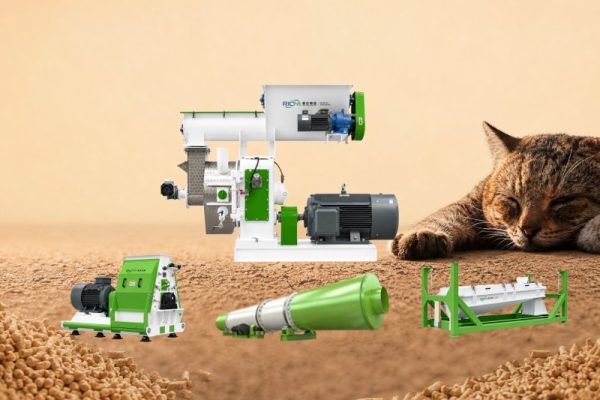
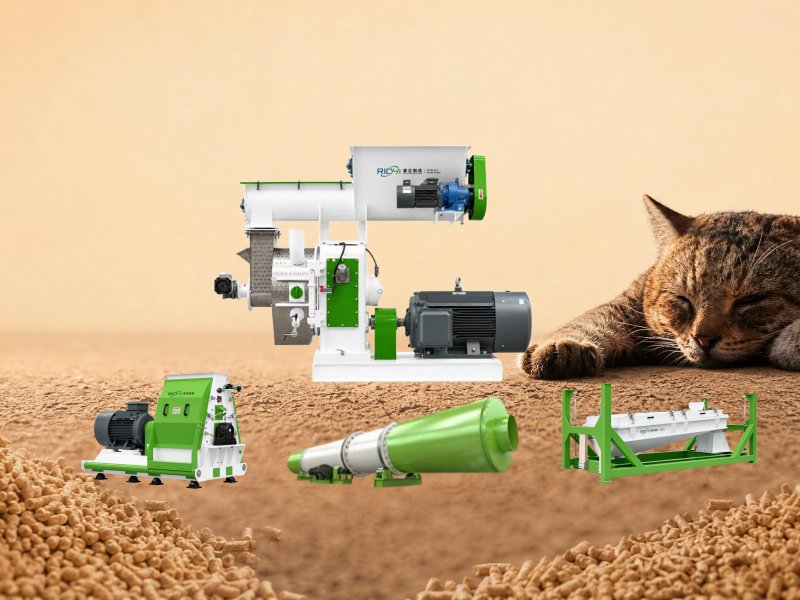
When entrepreneurs research cat litter manufacturing, equipment price is often the first number they ask about. But the purchase price of one machine rarely determines the real cost of producing cat litter. A commercial factory includes raw-material handling, storage, drying, size reduction, forming, cooling, screening, conveying, dust management, electrical systems, packaging, installation, labor, maintenance, utilities,…
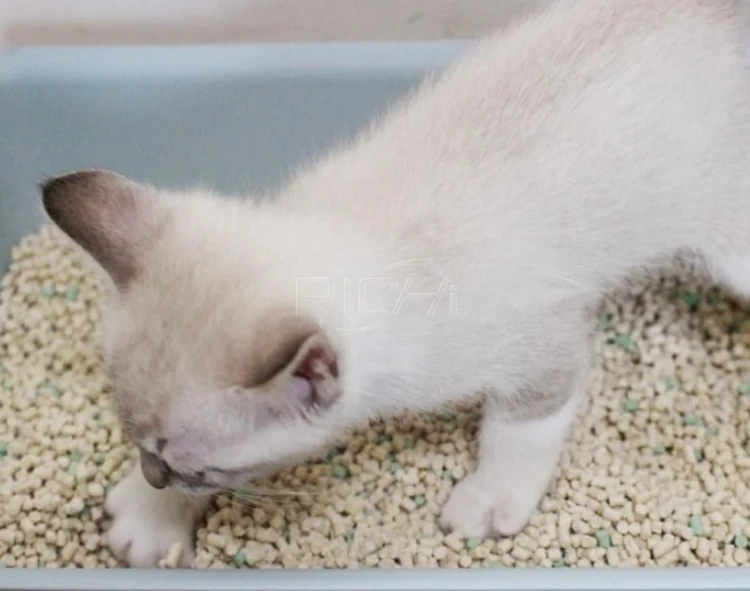
The United States has one of the largest and most mature pet care markets in the world. Pet spending has grown steadily for decades, and cats remain one of the most popular companion animals. That popularity creates constant demand for cat litter, a product that is bought repeatedly and used daily. But the US market…
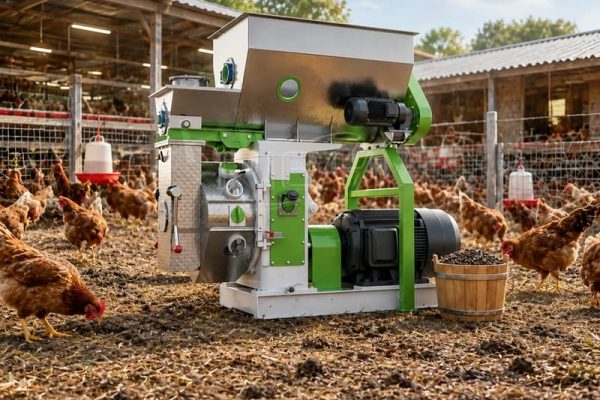
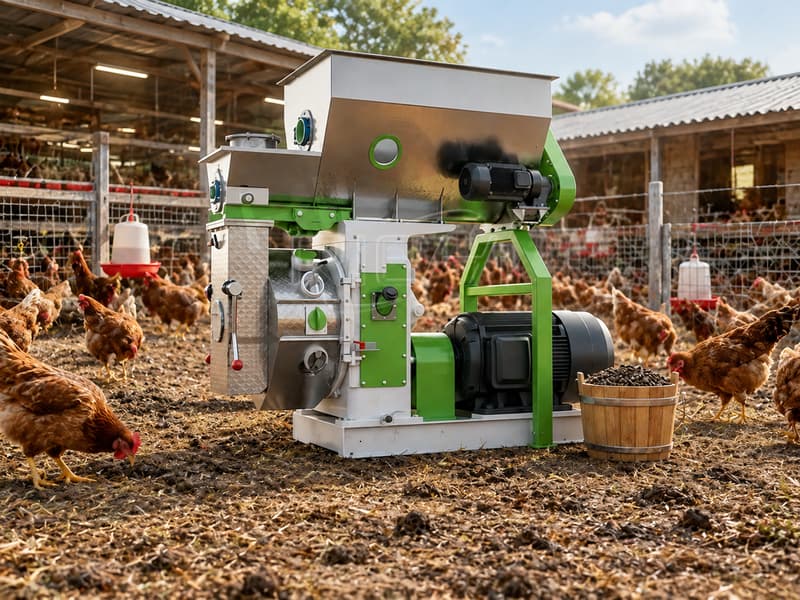
The challenge with livestock manure is not only how much is produced. It is also how difficult the raw material can be to handle. Loose manure varies in moisture, shape, density, and texture. It may be inconvenient to transport over long distances and difficult to package consistently. During wet weather, storage becomes even more complicated….
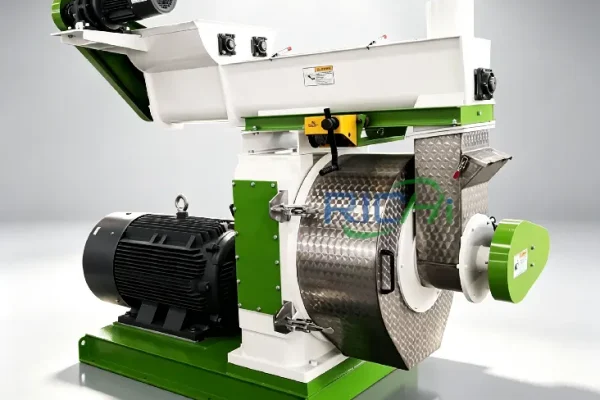
Cow manure is one of the most widely available organic residues in cattle-producing areas. It contains organic matter and plant nutrients, making it potentially useful for soil improvement when it is properly treated and managed. However, fresh manure is wet, bulky, biologically active, and difficult to transport over long distances. Converting it into fertilizer pellets…
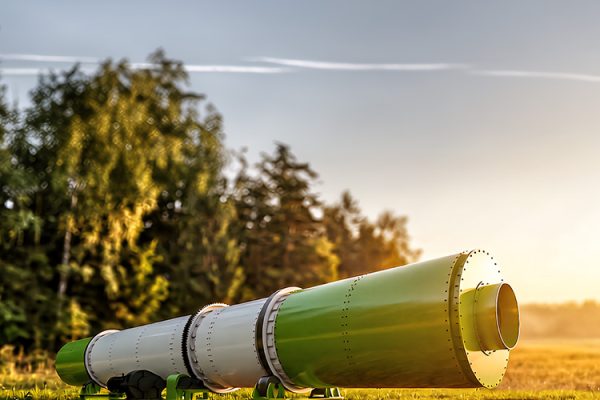
Moisture is one of the most important factors affecting wood drying results. Whether the raw material is sawdust, wood chips, wood shavings, bark, or other wood residues, its initial moisture content has a direct influence on drying time, energy consumption, dryer capacity, final moisture uniformity, and downstream processing performance. For wood pellet production, moisture control…
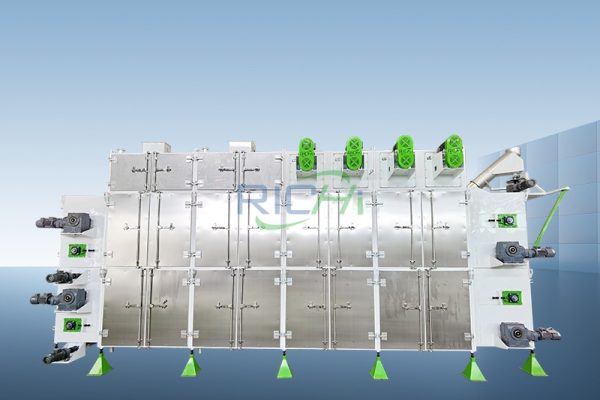
A fish feed producer I spoke with last year learned a hard lesson. He had invested in a top-of-the-line extruder. The pellets came out perfect—golden, buoyant, and uniform. He bagged them and stacked them in his warehouse, ready for sale. Three weeks later, he opened a bag and found mold. The entire batch was ruined….
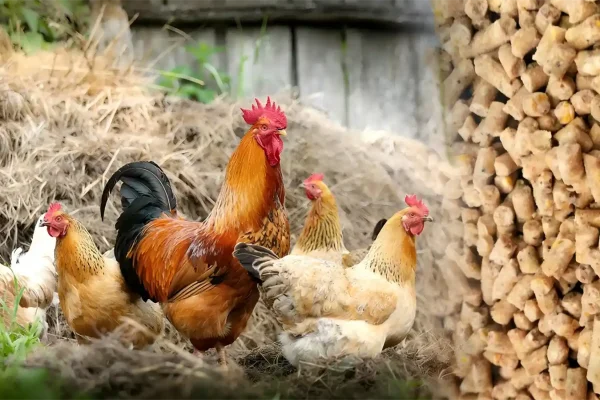
Chicken feed pellet production quality depends on much more than the performance of a pellet mill. A high-quality chicken feed pellet should have a suitable size, stable shape, sufficient durability, appropriate moisture, and a relatively uniform nutritional composition. Achieving these characteristics requires careful control of raw materials, feed formulation, grinding, batching, mixing, conditioning, pelletizing, cooling,…
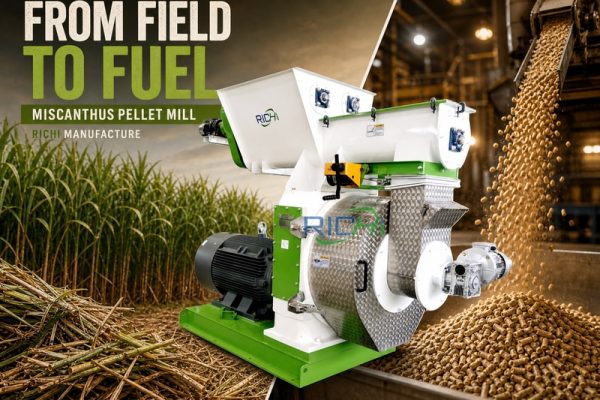
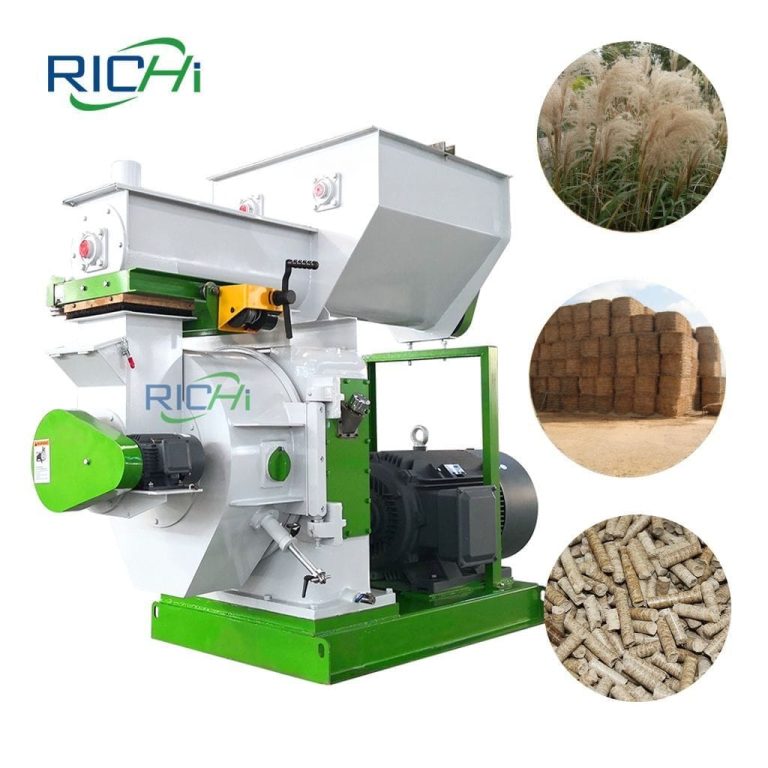
Industrial biomass pellet production is fundamentally a material-handling challenge as much as it is a compression process. When a factory processes large quantities of grass or miscanthus, every stage must maintain a stable flow of material. A miscanthus pellet mill can provide the central compression function, but industrial performance depends on how efficiently the upstream and…
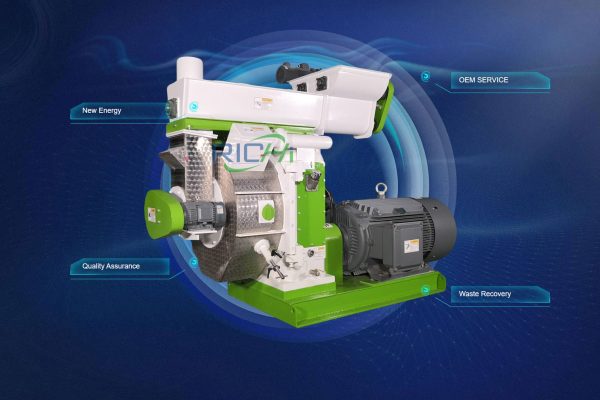
Behind every poultry barn, there’s a pile. It grows a little bigger every day, fed by the steady output of thousands of birds. For most farmers, it’s a problem to be managed—hauled away, spread on fields, or stored until someone figures out what to do with it. The smell, the flies, the complaints from neighbors,…