

The United States has one of the largest and most mature pet care markets in the world. Pet spending has grown steadily for decades, and cats remain one of the most popular companion animals. That popularity creates constant demand for cat litter, a product that is bought repeatedly and used daily. But the US market is not standing still. Consumer expectations are rising, retail channels are shifting, and producers face pressure to improve quality, reduce dust, and offer more sustainable options.
For anyone studying how litter is made and sold, the US market offers useful lessons. It is large enough to support many producers, competitive enough to punish weak products, and diverse enough to include several product categories. Understanding how supply chains, consumer preferences, and regulations interact helps explain why some producers thrive and others struggle.
Why Litter Demand Keeps Growing
Cat ownership in the US has remained strong even as household budgets change. Cats are generally less expensive to keep than dogs, adapt well to apartment living, and suit households where owners work long hours. These factors support steady litter demand across income levels.
The product itself has a short replacement cycle. A single cat may use several pounds of litter per week. Multi-cat households use even more. This repeat consumption creates a predictable revenue stream for producers and retailers. It also means customers form habits quickly. Once an owner finds a litter that works, they tend to buy it again. Switching happens mainly when the product fails, the price rises too much, or a competitor offers a clear improvement.
This combination of steady demand and habit-driven buying is attractive to manufacturers. It supports investment in production capacity and distribution. It also means competition is based on performance and consistency, not just advertising.
What American Cat Owners Care About
US consumers have become more informed about the products they buy for their pets. Reviews, social media, and veterinary advice all influence purchasing decisions. Several factors stand out in the litter category.
Dust is one of the most common complaints. Owners do not want fine particles coating furniture, floors, and respiratory passages. Products marketed as low-dust have gained share. Clumping performance is equally important. A clump that breaks apart when scooped leaves residue and creates odor problems. Odor control remains a top priority, especially in apartments and small homes. Tracking matters because owners dislike finding granules scattered around the house.
Price still matters, but it is not the only factor. Many owners are willing to pay more for a product that performs better and lasts longer. Value is judged by how well the litter works, not only by the price per pound. This creates room for premium products, but only if they deliver on their claims.
The Retail Landscape
Cat litter reaches consumers through several channels. Large pet specialty chains, supermarkets, mass merchants, online retailers, and subscription services all play a role. Each channel has different requirements for packaging, pricing, and logistics.
Mass merchants and supermarkets favor high-volume, well-known brands with competitive pricing. Pet specialty stores often carry a wider range of products, including premium and specialty litters. Online retail has grown quickly, driven by convenience and subscription models. Shipping heavy bags directly to homes requires packaging that resists damage and pricing that covers delivery cost.
Private label litter has also expanded. Retailers offer their own brands at lower prices, often produced by contract manufacturers. This creates opportunities for producers who can meet volume commitments and maintain consistent quality. It also puts pressure on branded products to justify their higher prices.
Raw Materials and Supply Chains
US litter production relies heavily on sodium bentonite, most of which is mined in the western part of the country. Transport cost is significant because the material is heavy and relatively low in value per ton. Producers located near mines or rail lines have a cost advantage. Producers farther away must find ways to offset higher inbound freight.
Zeolite and diatomite are used for odor control. They are often imported or sourced from specific domestic deposits. Plant-based materials such as corn cob, wheat, and wood fiber are available from agricultural and forestry supply chains. These materials appeal to environmentally conscious buyers, but they absorb less than mineral alternatives and require careful processing.
Supply chain reliability matters. A producer who depends on a single supplier or a single transport route is vulnerable to disruption. Weather, labor disputes, and fuel prices can all affect delivery. Successful producers usually maintain relationships with multiple suppliers and hold buffer inventory.
Processing Considerations
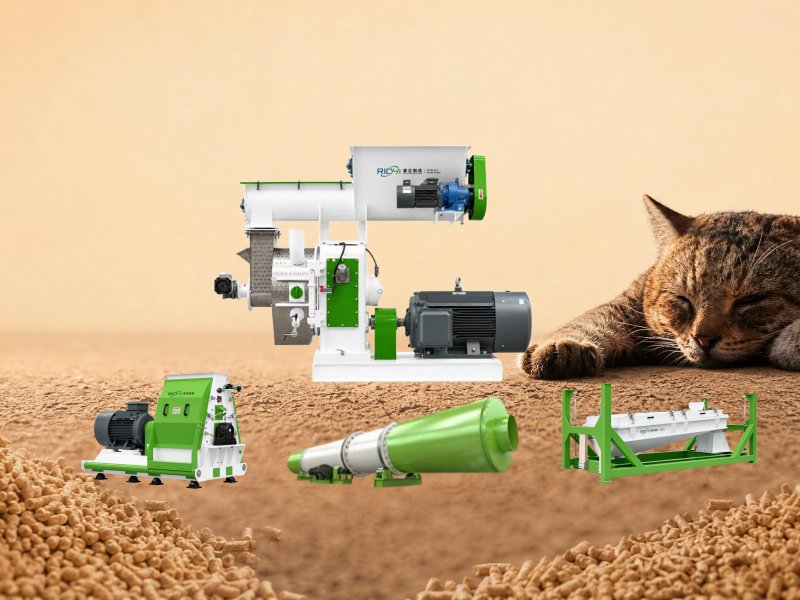
Turning raw materials into finished litter involves several steps. Crushing reduces particle size. Mixing blends materials uniformly. Granulation forms the granules under pressure. Drying removes excess moisture. Cooling brings granules to ambient temperature. Screening separates sizes. Dust collection runs throughout the line. Packaging protects the product and presents the brand.
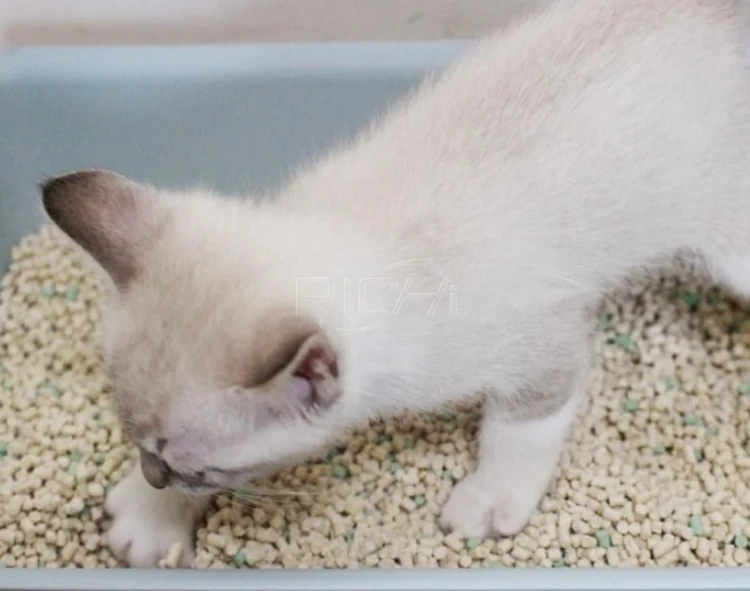
Each step affects the final product. If the grind is too coarse, granules may be weak. If mixing is uneven, some granules will perform differently than others. If drying is inconsistent, some bags may mold while others become brittle. These are not minor issues. They directly affect customer satisfaction and brand reputation.
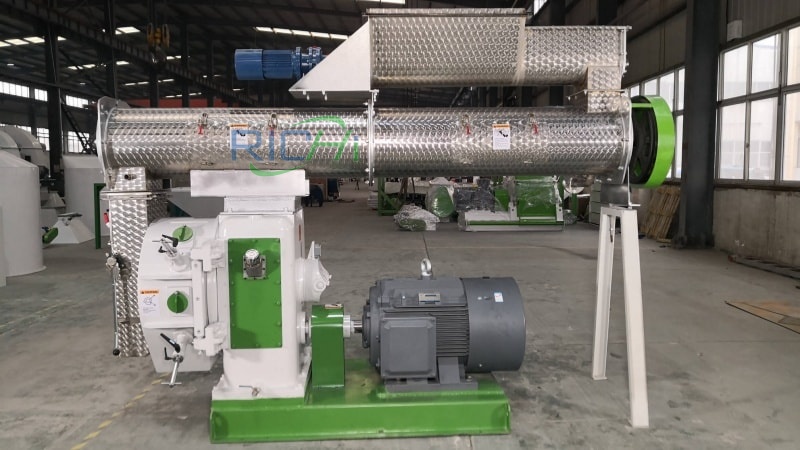
A Cat Litter Production Plant must be designed as a system, not a collection of machines. The capacity of each stage should match the next. Dust control should be built in from the start. Layout should support smooth material flow and safe operation. Utilities should be sized for current and future needs.
Project Development in the US
Developing a new litter production project in the US involves several practical steps. Market research comes first. Who are the target customers? What products do they buy? What prices do they pay? What performance do they expect? This information shapes the product and the plant.
Site selection follows. Access to raw materials, transport links, labor, utilities, and zoning all matter. A site near a bentonite source reduces inbound freight. A site near major population centers reduces outbound freight. A site with reliable power and water supports consistent operation.
Permitting and environmental review can take time. Dust emissions, wastewater, solid waste, and noise are regulated at federal, state, and local levels. A new facility should investigate requirements early to avoid delays.
Equipment selection and supplier evaluation come next. The cheapest option is rarely the best. Total cost of ownership includes energy, maintenance, spare parts, and downtime. The supplier’s experience with similar materials and applications matters as much as the machine specifications.
Workforce planning is often underestimated. Litter production involves heavy materials, dusty conditions, and repetitive tasks. Operators need training. Maintenance staff need to understand the equipment. Supervisors need to track performance and respond to problems.
A Cat Litter Manufacturing Factory Project in the USA
For investors considering a Cat Litter Manufacturing Factory project in the USA, the opportunity is real but the competition is intense. The market is large enough to support new entrants, but it rewards producers who understand their niche. A producer targeting a specific region, a specific product category, or a specific retail channel may find more success than one trying to compete broadly from the start.
Private label production is one path. Retailers need reliable suppliers who can meet volume and quality requirements. Contract manufacturing allows a producer to focus on operations without building a consumer brand. It also provides predictable revenue, though margins may be thinner.
Premium branded products are another path. This requires strong quality control, effective marketing, and distribution relationships. It takes time to build a brand, and the cost of customer acquisition can be high. But successful brands can command higher prices and build loyal followings.
Regional production is a third path. Litter is heavy and expensive to ship. A producer who serves a limited geographic area can reduce freight cost and respond quickly to local demand. This model works well when the producer has access to raw materials and a reliable customer base.
Equipment Suppliers and Manufacturing Background
The equipment supplier relationship does not end at delivery. Dies wear out. Rollers need replacement. Screens tear. Bearings fail. A supplier who can provide spare parts quickly and offer technical support is more valuable than one who offers a lower price but disappears after the sale.
Producers often review a manufacturer’s background before committing to a project. A company such as Richi Manufacture may have experience across multiple granulation applications, from animal feed to biomass to mineral products. That breadth can be useful, but it should be verified against specific cat litter experience. A supplier who has worked with similar materials will anticipate problems that others miss.
For buyers who want to understand a supplier’s experience and production history, hop over to this web-site to review the company profile. This is a useful first step, but it should be followed by technical discussions, sample testing, and, if possible, a visit to a running plant. Seeing a similar operation can reveal practical issues that are not visible in a catalog.
Quality Control and Consistency
Consistency is the hardest part of litter production. Raw materials vary. Equipment wears. Operators change. A batch that performs well one week may perform differently the next. Customers notice.
Quality control should start with incoming materials. Moisture, particle size, and purity should be checked. Bentonite from different suppliers or different parts of the same mine can behave differently. The producer must know what they are buying.
In-process checks keep the line on track. Granule hardness, size distribution, moisture content, and dust level should be monitored. Simple tests can be done in-house. A tumbler or shaker can test durability. A sieve can check size distribution. A moisture meter can check drying. These tests do not replace laboratory analysis, but they catch problems before they reach the customer.
Finished product should be sampled and stored correctly. Bags should be stacked on pallets, away from walls and floors. The storage area should be dry and ventilated. Stock should be rotated so older product is used first.
Market Trends and Future Direction
Several trends are shaping the US litter market. Premiumization continues as owners seek better performance. Sustainability is gaining attention, with biodegradable and plant-based options attracting interest. Dust reduction remains a priority. E-commerce and subscription services are changing how products reach consumers.
Producers who can respond to these trends while maintaining consistent quality and competitive pricing will be well positioned. Those who ignore them may find themselves losing shelf space and market share.
Conclusion
The US cat litter market offers steady demand and room for new producers, but success depends on more than equipment. Raw material access, product performance, quality control, distribution, and brand positioning all play a role. A Cat Litter Production Plant is a significant investment. A Cat Litter Manufacturing Factory project in the USA can succeed, but only with careful planning and disciplined operation.
Producers who understand the full system, from raw material sourcing to customer expectations, are better positioned than those who focus only on the machine. The equipment matters, but the business around the equipment matters more.