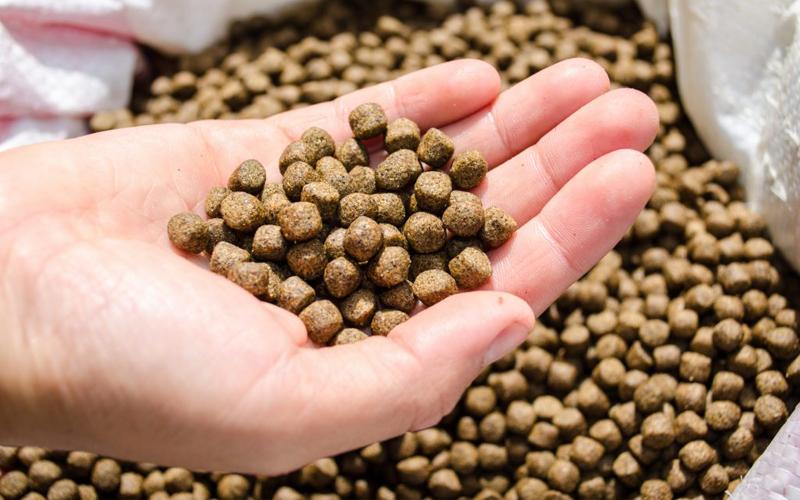


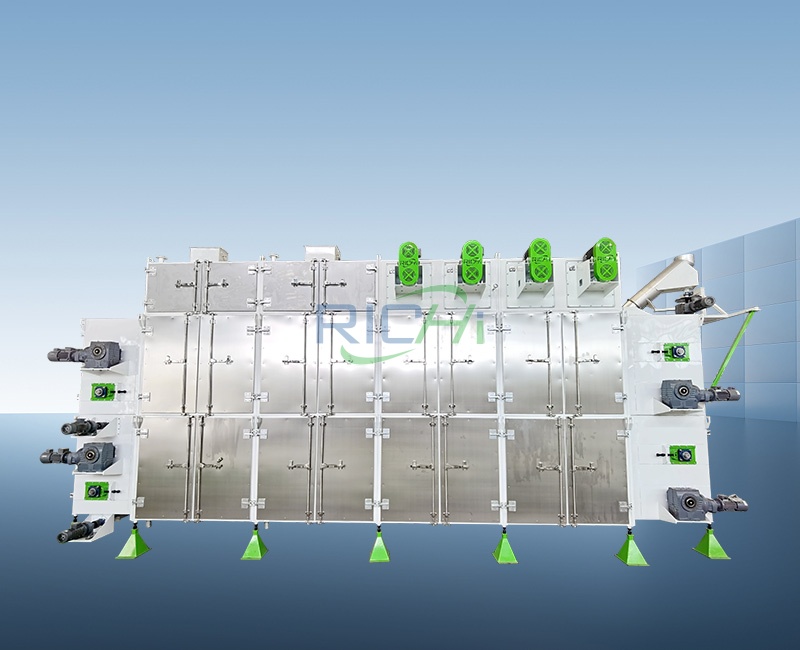
A fish feed producer I spoke with last year learned a hard lesson. He had invested in a top-of-the-line extruder. The pellets came out perfect—golden, buoyant, and uniform. He bagged them and stacked them in his warehouse, ready for sale. Three weeks later, he opened a bag and found mold. The entire batch was ruined. The loss was devastating. What went wrong? The extruder was fine. The problem was the dryer. It was undersized, and it hadn’t removed enough moisture. The pellets looked dry on the outside, but inside they were still wet. That hidden moisture became a breeding ground for bacteria and mold.
This story is not unusual. In the rush to produce high-quality floating feed, many producers focus on the extruder. It is the most visible, most talked-about piece of equipment. But the dryer is just as important. Without proper drying, even the best-extruded pellets will fail. With the right drying, those same pellets become stable, durable, and safe to store for months. The difference between a profitable feed operation and a struggling one often comes down to this one step.
What Really Happens Inside a Wet Pellet
When pellets leave the extruder, they are not finished. They are hot, soft, and full of moisture. The moisture content can be as high as 25%. At that level, the pellet is essentially a sponge. It will continue to release water vapor for hours or even days. If it is packed into a bag or piled in a silo, that moisture has nowhere to go. It condenses on the surface of the pellets, creating the perfect environment for mold and yeast. The nutrients begin to break down. The feed becomes unsafe.
Drying removes that moisture. It does not just dry the surface; it draws moisture from the center of the pellet to the surface and evaporates it. This process must be gentle enough to avoid cracking the pellet, but thorough enough to bring the moisture down to a safe level, usually below 10% to 12%. It is a delicate balance. Too fast, and the pellet case hardens while the core stays wet. Too slow, and the pellets clump together or lose their shape.
The Cost of Getting It Wrong
The consequences of poor drying go beyond mold. Wet feed is heavier, so shipping costs are higher. It can clog feeders and create blockages in automated systems. It can sink instead of float, defeating the purpose of floating feed. It can also leach nutrients into the water, polluting the pond and wasting expensive ingredients. For fish, eating spoiled feed can lead to disease, poor growth, and mortality.
For the producer, the financial impact is severe. A batch of feed that spoils is a total loss—not just the ingredients, but the labor, the energy, and the opportunity cost. If the problem persists, customers lose confidence. Reputation suffers. In a competitive market, that can be fatal. That is why investing in a reliable dryer is not just a quality decision. It is a business decision.
Choosing the Right Dryer for Your Line
Not all dryers are equal. The market offers a range of options: belt dryers, rotary drum dryers, fluidized bed dryers, and more. Each has strengths and weaknesses. Belt dryers are gentle and ideal for fragile pellets. Rotary dryers are efficient for high volumes but can damage delicate pellets if not properly adjusted. Fluidized bed dryers offer fast, uniform drying but require precise control.
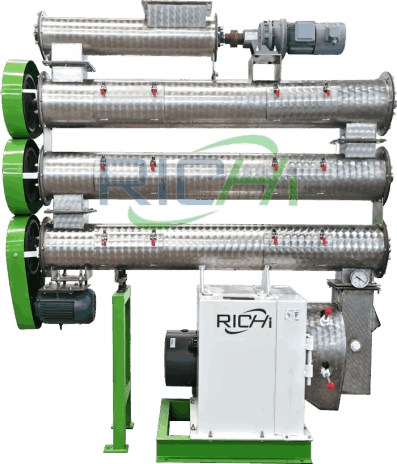
A fish feed dryer machine must be matched to your extruder, your formulation, and your production goals. The dryer must be able to handle the initial moisture content, the pellet size, and the desired final moisture. It must be energy-efficient, because drying is one of the most energy-intensive steps in feed production. And it must be reliable, because downtime in the dryer means downtime for the entire line.
Modern dryers use sensors and automation to maintain consistent conditions. They monitor temperature, humidity, and airflow. They adjust automatically to changes in the incoming pellets. This reduces the risk of human error and ensures that every batch meets the same standard. The best dryers also recover heat, using it to pre-warm incoming air or to dry the next batch. This reduces energy consumption and operating costs.
Why Experience Matters
When you are investing in a dryer, you are not just buying a machine. You are buying the expertise behind it. Fish feed is different from poultry feed, swine feed, or wood pellets. It has different binding characteristics, different moisture profiles, and different handling requirements. A dryer that works well for one material may not work well for another.
RICHI machinery manufacture has been building feed processing equipment for decades. They have worked with fish feed producers around the world. They understand the challenges of drying floating and sinking pellets. They know how to design a dryer that removes moisture evenly without damaging the pellet. Their equipment is built to last, with heavy-duty components and corrosion-resistant materials. They also provide installation, training, and after-sales support, so you are never left alone with a problem.
The Bottom Line
Drying is not the most exciting part of fish feed production. It does not get the attention that extrusion or pelleting receives. But it is the step that determines whether your feed is stable, safe, and profitable. A good dryer protects your investment in ingredients, labor, and energy. It ensures that the feed you sell or feed to your fish performs as expected. If you are serious about fish feed production, you cannot afford to overlook the dryer.
To learn more about how to choose the right drying system for your operation, read here for detailed guides and equipment specifications. The right dryer can make all the difference between feed that sells and feed that spoils.