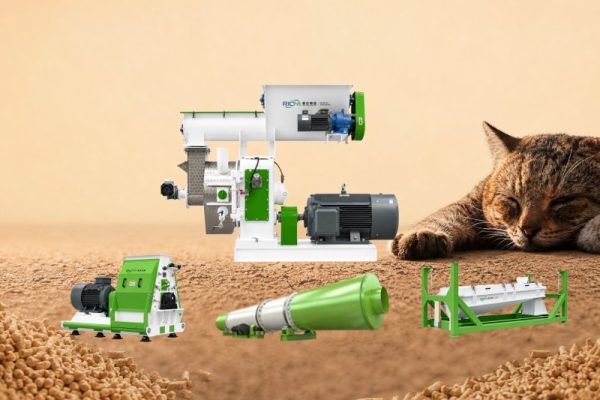



What Determines the Real Cost of a Sawdust Cat Litter Factory?

When entrepreneurs research cat litter manufacturing, equipment price is often the first number they ask about. But the purchase price of one machine rarely determines the real cost of producing cat litter. A commercial factory includes raw-material handling, storage, drying, size reduction, forming, cooling, screening, conveying, dust management, electrical systems, packaging, installation, labor, maintenance, utilities,…

Read More
wood drying machine

How Moisture Affects Wood Drying Results

Moisture is one of the most important factors affecting wood drying results. Whether the raw material is sawdust, wood chips, wood shavings, bark, or other wood residues, its initial moisture content has a direct influence on drying time, energy consumption, dryer capacity, final moisture uniformity, and downstream processing performance. For wood pellet production, moisture control…

Read More

Engineering Considerations for an Industrial Grass Pellet Factory

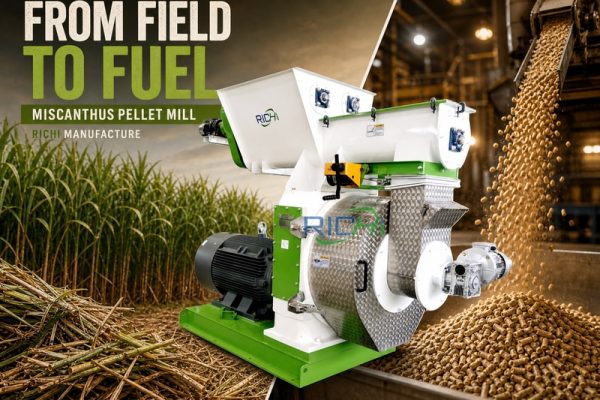
Industrial biomass pellet production is fundamentally a material-handling challenge as much as it is a compression process. When a factory processes large quantities of grass or miscanthus, every stage must maintain a stable flow of material. A miscanthus pellet mill can provide the central compression function, but industrial performance depends on how efficiently the upstream and…

Read More

Hay Pellet Machine for Sale: Complete Straw Pellet Production Solutions

The agricultural industry continues to embrace efficient processing solutions, and the hay pellet machine for sale has become essential equipment for converting forage and crop residues into valuable pellets. Modern production facilities rely on these machines to process materials like hay, straw, alfalfa, and other agricultural waste into high-density pellets for livestock feed and biomass fuel. Understanding…

Read More

What Should You Know Before Investing in a Biomass Pellet Production Line?

Why Is Careful Planning Important Before Building a Pellet Plant? Biomass pellet production has attracted increasing attention from companies looking for ways to make better use of wood-processing residues and agricultural by-products. Materials such as sawdust, wood chips, rice husk, sunflower husk, and other biomass residues can be compressed into a denser fuel that is…

Read More

How Modern Biomass Processing Is Changing the Future of Renewable Fuel Production

The global demand for renewable energy continues to increase as industries search for cleaner alternatives to traditional fossil fuels. Among various renewable solutions, biomass pellets have become one of the most practical options because they are easy to store, transport, and utilize. Agricultural residues, forestry waste, and energy crops that were once considered low-value materials…

Read More
straw pellets

What Are the Benefits of Agricultural Waste Pellets

Introduction Agricultural waste management has become a major global concern as farming activities continue to generate massive amounts of residues every year. Straw, rice husks, corn stalks, sugarcane bagasse, and other crop by-products are often burned or discarded, leading to environmental pollution and wasted energy potential. In recent years, however, these materials have gained new…

Read More
straw pellets

What Are the Benefits of Agricultural Waste Pellets

Global agricultural production generates billions of tons of organic residues every year, including wheat straw, rice husk, corn stalks, sugarcane bagasse, and peanut shells. For decades, most of these agricultural wastes have been disposed of through open burning, random stacking, or land burial, causing severe air pollution, land occupation, and resource waste. With the global…

Read More

    * We understand that privacy is important to you, so we will only answer the questions you ask and will not disclose your information to third parties.