


Industrial biomass pellet production is fundamentally a material-handling challenge as much as it is a compression process. When a factory processes large quantities of grass or miscanthus, every stage must maintain a stable flow of material.
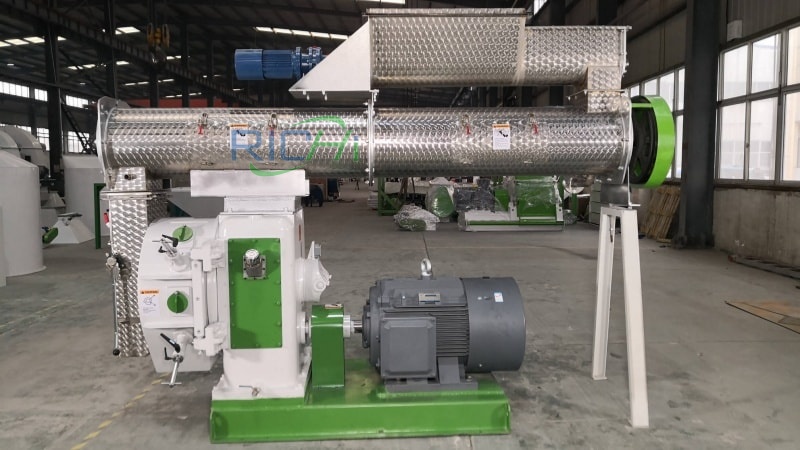
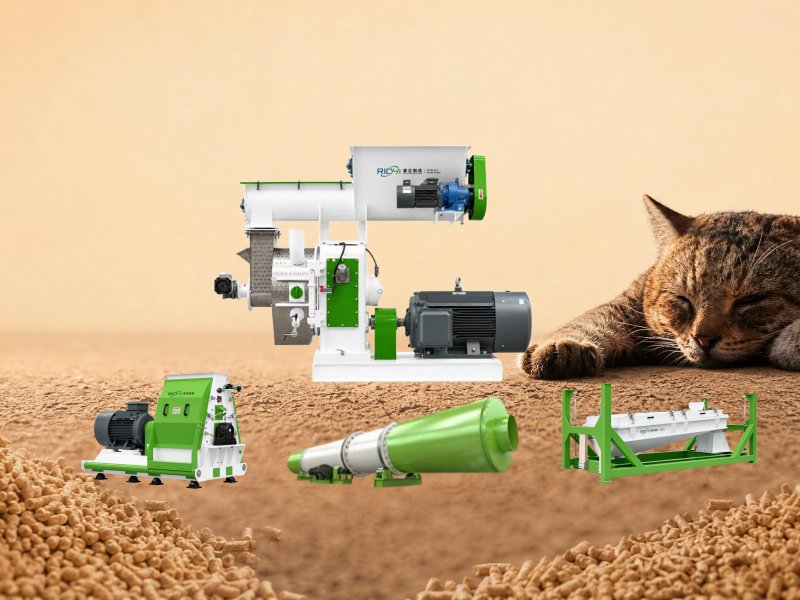
A miscanthus pellet mill can provide the central compression function, but industrial performance depends on how efficiently the upstream and downstream systems support it.
Designing Around Continuous Material Flow
At industrial scale, raw material rarely moves from a storage area to the pellet mill through manual handling. Conveyors, hoppers, feeders, crushers, dryers, and dust collection systems work together to maintain continuous production.
Miscanthus presents specific challenges because its fibers are light and can behave differently from dense granular materials. Feeding equipment therefore needs to be designed to prevent interruptions and maintain a stable flow.
An industrial line also needs sufficient buffer capacity between major processing sections. This can help prevent a temporary interruption in one machine from immediately stopping the entire plant.
Drying Is Often a Major Section
Large-scale grass pellet factories may receive biomass with significant variations in moisture. Drying becomes particularly important when raw material is harvested under wet conditions.
The dryer should be sized according to both moisture removal requirements and plant throughput. Heat source selection, fuel availability, exhaust handling, and dust control all influence the overall design.
Poorly planned drying can become a major bottleneck. If the pellet mill can process material faster than the dryer can prepare it, the nominal capacity of the plant cannot be achieved.
Industrial Pelletizing Requirements
The pelletizing section needs stable feeding, reliable power transmission, and wear-resistant working components.
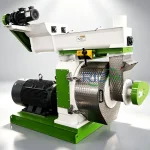
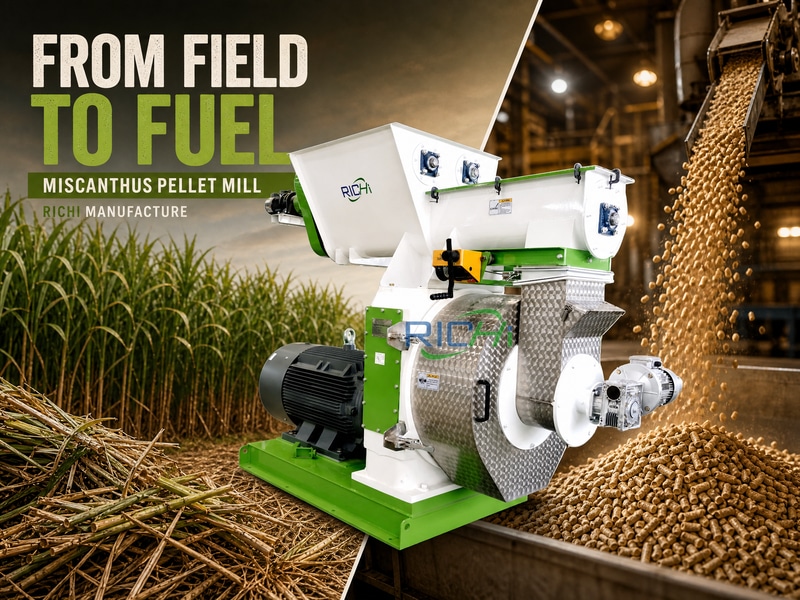
A properly configured industrial grass pellet machine can be designed around the characteristics of grass-based biomass. The feeding system should maintain consistent material flow, while the die and roller arrangement must support the required compression conditions.
Industrial production also places greater importance on lubrication and preventive maintenance. Automated or centralized lubrication systems can reduce routine labor and help maintain equipment condition.
Cooling and Screening at Scale
Freshly produced pellets require cooling before they are transferred into long-term storage. At industrial throughput, the cooling section must be capable of handling the entire output without creating a downstream bottleneck.
Screening is similarly important. Finished pellets may contain fines generated during compression and handling. A properly sized screening system can separate these particles before packaging or bulk loading.
Fines can sometimes be recycled into the production process depending on the overall system design.
Factory Layout Influences Performance
The physical arrangement of the factory can influence energy use, maintenance time, and material movement.
Shorter conveying distances may reduce unnecessary handling. Equipment should also be arranged so that operators and maintenance personnel can safely access key components.
Storage areas need to be positioned according to the incoming and outgoing material flow. Finished-pellet storage should provide protection against moisture, while raw material storage must support continuous feeding to the processing line.
Investors researching industrial equipment should use a best site only as a starting point for research; technical specifications, engineering drawings, and project references are much more important when planning an actual factory.
Automation and Monitoring
Industrial plants benefit from centralized monitoring because operators need to observe multiple processing sections simultaneously. Temperature, motor load, feeding rate, and other operating parameters can be monitored to identify developing problems.
Automation can also help coordinate startup and shutdown procedures between machines. This reduces the risk of feeding material into equipment that is not ready to receive it.
The appropriate level of automation depends on labor availability, budget, production volume, and local operating practices.
Planning the Industrial Investment
An industrial grass pellet project requires a broader financial assessment than a machine purchase. Civil construction, electrical systems, heat generation, material storage, dust control, packaging, labor, and logistics all contribute to total investment.
For this reason, the availability of a pellet machine for sale should not be treated as the final purchasing criterion. The machine must fit into a complete process capable of handling the expected annual biomass volume.
A well-engineered industrial plant transforms an inconsistent agricultural resource into a standardized fuel product. The success of the factory ultimately depends on the balance between raw material supply, process capacity, equipment reliability, energy efficiency, and market demand.
view details: https://www.richimanufacture.com/miscanthus-pellet-mill/