


For decades, cassava has played a vital role in feeding populations and supporting rural economies across tropical regions. Farmers appreciate cassava because it grows well under challenging conditions, tolerates drought better than many crops, and produces impressive yields per hectare. However, despite these advantages, a significant portion of cassava’s economic potential remains untapped.
One of the biggest challenges lies in post-harvest management. Fresh cassava roots are highly perishable and begin deteriorating shortly after harvesting. This short shelf life often forces farmers to sell quickly, sometimes at unfavorable prices. Transportation can also become expensive because raw cassava contains large amounts of moisture and occupies substantial storage space.
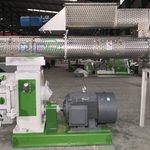
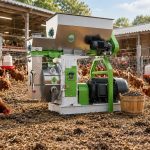
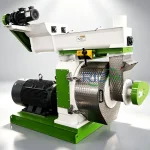
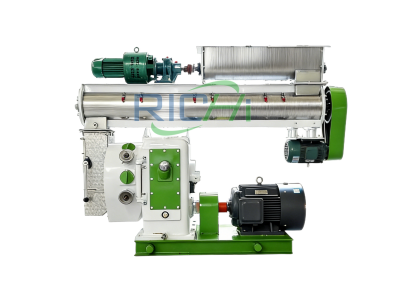
Today, innovative processing technologies are changing this situation. Among them, the cassava pellet making machine has become one of the most valuable tools for agricultural enterprises seeking higher profitability and long-term growth.
Why Is Pelletizing Creating New Opportunities?
The concept behind pelletization is simple but highly effective.
Instead of selling cassava in loose or raw form, processors convert it into compact pellets with standardized dimensions and improved physical characteristics. These pellets are easier to transport, easier to store, and more attractive to commercial buyers.
As agricultural supply chains become increasingly sophisticated, consistency matters. Buyers prefer products with predictable quality, moisture content, and handling characteristics. Pelletized cassava helps meet these expectations.
More importantly, pelletization transforms cassava from a basic commodity into a value-added product that can enter multiple markets simultaneously.
This flexibility is one reason why investments in a cassava pellet making machine continue to grow worldwide.
From Harvest to High-Value Product
Creating premium cassava pellets involves several carefully controlled stages.
Collection and Sorting
The process begins with collecting suitable cassava materials.
Possible feedstocks include:
- Fresh cassava roots
- Cassava chips
- Cassava flour
- Tapioca residues
- Cassava peels
- Starch industry by-products
Proper sorting ensures that foreign materials do not enter downstream equipment.
Drying and Moisture Adjustment
Moisture content is among the most critical variables in pellet production.
Excessive moisture can reduce pellet durability, while overly dry material may hinder pellet formation.
Professional operators carefully monitor moisture levels before feeding material into the pelletizing system.
Mechanical Compression
Inside the cassava pellet mill, rollers apply tremendous pressure as material passes through specially designed die holes.
Natural binding properties within cassava starch contribute to strong pellet formation without requiring excessive additives.
Cooling and Stabilization
Newly formed pellets contain residual heat generated during compression.
Cooling systems stabilize the pellets, improve durability, and prepare them for packaging or storage.
The result is a dense, uniform product capable of maintaining quality during transportation and long-term warehousing.
Meeting the Needs of Modern Feed Producers
Feed manufacturers operate in an increasingly competitive environment.
Profitability depends on controlling costs while maintaining nutritional quality and production efficiency.
Cassava pellets offer several important advantages:
Consistent Ingredient Quality
Uniform pellets simplify feed formulation and improve production predictability.
Reduced Material Loss
Loose powders often generate dust during handling.
Pellets significantly reduce dust-related losses.
Improved Logistics
Higher bulk density lowers transportation costs and improves storage efficiency.
Better Flow Characteristics
Pellets move more smoothly through conveyors, bins, and automated feeding systems.
Because of these benefits, many feed companies now consider a cassava pellet mill an essential component of their raw material processing strategy.
How Pelletization Improves Nutritional Utilization
The advantages of pelletizing extend beyond physical handling.
During steam conditioning and compression, important changes occur within the starch structure.
Heat and moisture promote partial starch gelatinization, which can improve digestibility in many livestock species.
This process may enhance:
- Nutrient availability
- Feed conversion efficiency
- Animal performance
- Feeding consistency
These improvements create additional value beyond the simple transformation of material shape.
Creating Revenue From Processing Residues
Modern agriculture increasingly emphasizes resource efficiency.
Historically, many cassava by-products were discarded or underutilized. Today, processors recognize that these materials represent potential income sources.
Residues from starch extraction and food processing operations can often be pelletized and marketed for various applications.
This approach supports:
- Waste reduction
- Environmental sustainability
- Additional revenue generation
- Improved resource utilization
Many agricultural development programs actively encourage the installation of a cassava pellet press as part of broader circular economy initiatives.
Expanding Into Multiple Markets
One of the most attractive features of pellet technology is market diversification.
A single production facility may serve several industries simultaneously.
Livestock Feed
Cattle, poultry, sheep, and pig operations often utilize cassava-based feed ingredients.
Aquaculture
Fish feed manufacturers frequently incorporate cassava-derived materials as energy sources.
Organic Fertilizer
Cassava residues can be blended with nutrient-rich organic materials to create fertilizer pellets.
Pet Industry
Certain formulations can be adapted for absorbent cat litter products.
This versatility helps producers remain resilient when individual market conditions fluctuate.
Equipment Selection Matters
Not all pellet systems are identical.
Choosing the right equipment can significantly influence profitability.
Important evaluation factors include:
Production Capacity
Equipment should match both current needs and future expansion plans.
Die Configuration
Die design affects pellet quality, energy consumption, and throughput.
Roller Technology
Advanced roller systems improve compression efficiency and reduce maintenance requirements.
Automation Features
Automation enhances consistency while lowering labor demands.
Reliability
Durable construction minimizes downtime and maintenance expenses.
Many investors evaluating pellet solutions compare suppliers such as Richi Pellet Mill because equipment quality directly impacts long-term operating performance.
Combining Cassava Processing With Other Agricultural Products
Forward-thinking businesses increasingly develop integrated processing facilities.
Rather than relying on a single raw material, they process multiple agricultural residues throughout the year.
For example, a facility may process cassava during one season and switch to biomass materials during another.
Complementary equipment options may include:
- Feed pellet systems
- Biomass pellet lines
- Organic fertilizer pellet lines
- Agricultural residue processing systems
Some operators even combine cassava production with equipment like a bagasse pellet machine, creating additional revenue streams from sugar industry by-products.
This diversification helps maximize equipment utilization and improve overall investment returns.
The Impact of Global Feed Demand
Worldwide demand for animal protein continues to rise.
Population growth, urbanization, and changing dietary preferences all contribute to increased feed consumption.
As feed manufacturers search for cost-effective energy ingredients, cassava-based products are attracting greater attention.
Pelletized cassava offers several advantages for international buyers:
- Uniform quality
- Easier shipping
- Longer storage life
- Reduced spoilage risks
These characteristics make cassava pellets particularly attractive for export-oriented businesses.
Lowering Transportation Costs
Transportation expenses can significantly affect profitability.
Fresh cassava contains substantial moisture and occupies considerable volume.
Pelletization improves transportation economics in several ways:
Increased Bulk Density
More product can fit within each shipment.
Reduced Product Loss
Pellets are less susceptible to handling damage.
Better Container Utilization
Uniform pellets improve loading efficiency.
Simplified Logistics
Bulk handling systems operate more effectively with standardized materials.
Agricultural companies looking to optimize logistics often conduct extensive research and go to website resources from equipment manufacturers to evaluate transportation savings.
Sustainability and Environmental Benefits
Sustainability has become a major factor in agricultural investment decisions.
Pellet production supports environmental objectives by:
- Reducing agricultural waste
- Improving resource efficiency
- Supporting circular economy practices
- Lowering spoilage losses
- Creating value from by-products
Governments and development organizations increasingly support technologies that contribute to these goals.
The cassava pelletizer fits naturally within this framework because it enables producers to maximize the value extracted from agricultural resources.
Emerging Technology Trends
The pellet industry continues to evolve rapidly.
Several innovations are reshaping production facilities:
Intelligent Automation
Advanced control systems optimize operating parameters in real time.
Predictive Maintenance
Sensors identify potential maintenance issues before failures occur.
Energy Optimization
New machine designs reduce power consumption while maintaining productivity.
Flexible Manufacturing
Modern systems allow faster transitions between different products and raw materials.
Businesses monitoring these developments often rely on technical reports and check my source references when comparing investment opportunities.
Conclusion
Cassava has long been recognized as an important agricultural crop, but modern pelletization technology is unlocking entirely new levels of value.
By transforming raw cassava into durable, transportable, and market-ready pellets, producers can improve profitability, reduce waste, enhance logistics, and access a wider range of customers.
Whether serving feed manufacturers, fertilizer producers, aquaculture operations, or export markets, a high-quality cassava pellet making machine provides a powerful foundation for long-term business growth.
As agricultural industries continue pursuing efficiency, sustainability, and value-added processing, cassava pellet production is poised to play an increasingly important role in the future of global agribusiness.