

Small livestock farms often have access to locally grown cassava, but fresh roots and cassava chips are not always convenient to store or feed directly. Processing cassava into pellets can make the material easier to handle while allowing farmers to combine it with other feed ingredients.
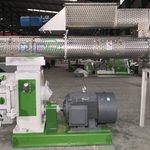
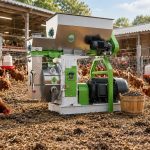
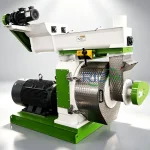
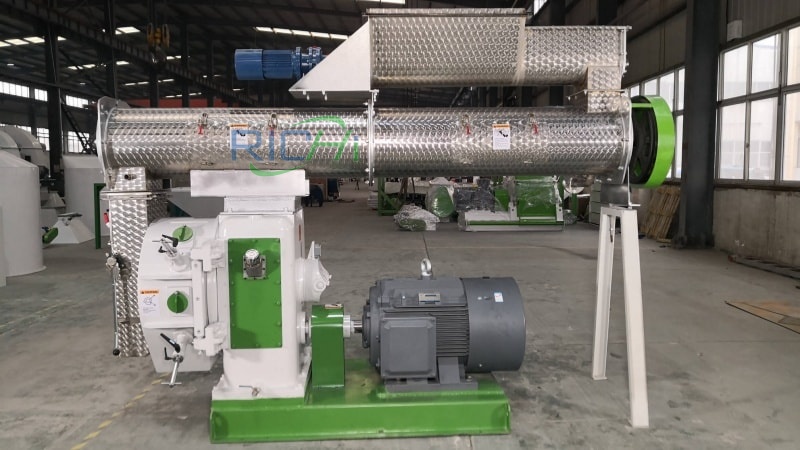
A cassava pellet making machine for small farms can form prepared cassava material into compact pellets after grinding, moisture adjustment, and mixing. The required equipment depends largely on the condition of the cassava and the amount of feed the farm needs to produce.
Start With the Cassava Available on the Farm
Cassava can reach the processing area as fresh roots, dried chips, meal, or agricultural residues. These forms require different levels of preparation.
Fresh roots contain substantial moisture and normally need to be processed or dried before conventional pelletizing. Dried chips are easier to store and can be reduced to a suitable particle size with a hammer mill.
Before designing the production system, the farmer should check the material’s moisture, particle size, cleanliness, and daily availability.
Why Grind Cassava Before Pelletizing?
Grinding improves the uniformity of the raw material.
Large cassava pieces can make mixing difficult and may interfere with stable pellet formation. A hammer mill reduces dried cassava into smaller particles that can be combined more evenly with other feed ingredients.
The appropriate particle size depends on the animal species and the desired pellet diameter. Smaller livestock-feed pellets generally require more controlled raw-material preparation.
Cassava Should Not Be the Only Ingredient
Cassava can provide energy in an animal-feed formula, but a complete ration normally requires additional nutritional sources.
Depending on the livestock species, farmers may combine cassava with soybean meal, bran, grain products, protein ingredients, minerals, vitamins, and other suitable components.
The final formula should be balanced according to the nutritional requirements of the target animal.
This also means that the mixing stage is important. Ingredients need to be distributed evenly before they enter the pellet mill.
What Mixer Should a Small Farm Use?
A batch mixer can be practical for small-scale production because it allows the operator to prepare a defined quantity of feed at a time.
An animal feed mixer machine for feed plants can combine ground cassava with other ingredients before pelletizing. Larger feed factories may use automatic weighing and batching systems, while small farms can use simpler feeding and weighing arrangements.
The mixer should provide sufficient capacity for the intended batch size without becoming a bottleneck for the pelletizing machine.
How Does the Pelletizing Stage Work?
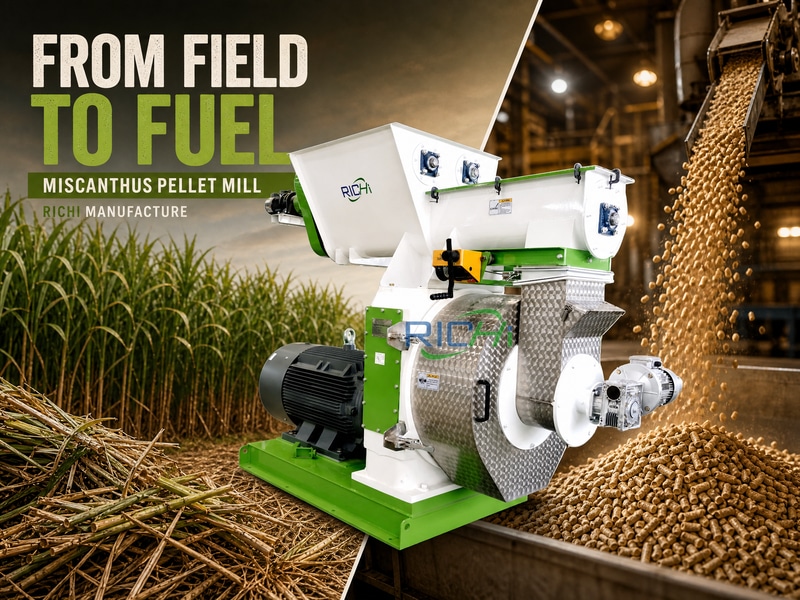
After mixing, the prepared material enters the pellet mill.
The machine compresses the mixture through a die and forms cylindrical pellets. Heat and pressure generated during the process help the material bind together.
The die determines the approximate pellet diameter, while the cutting arrangement influences pellet length.
Different livestock species and growth stages can require different pellet sizes. A farm producing feed for several animal groups may therefore need interchangeable dies.
Does Cassava Need Drying?
The answer depends on the incoming material.
Fresh cassava generally contains too much moisture for direct conventional pelletizing. Dried cassava chips may already have a suitable moisture level.
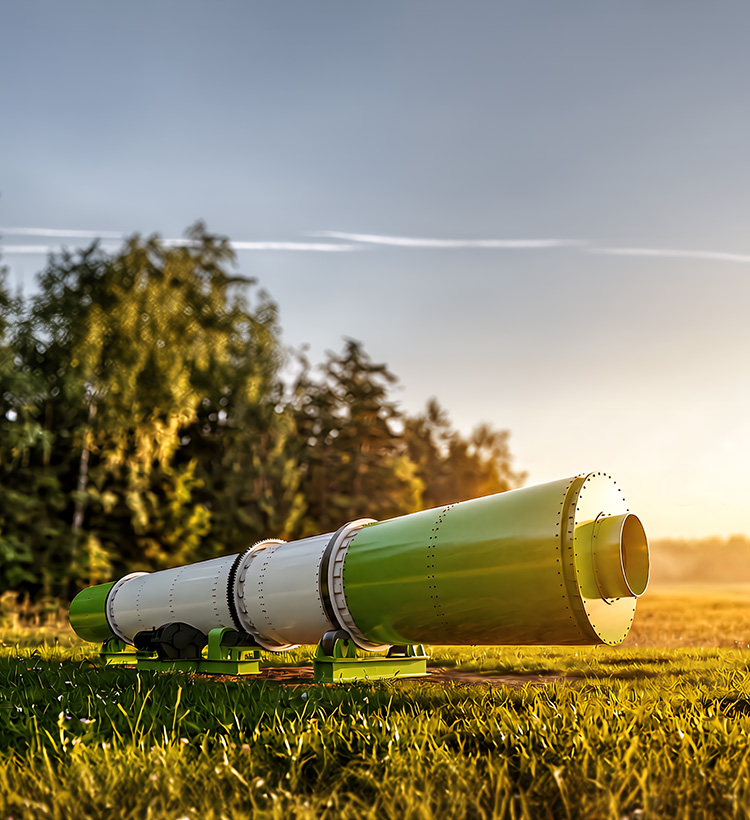
If the material is too wet, a dryer can be installed before grinding or pelletizing, depending on the process design.
For small farms, it is worth testing the raw material first. Installing a dryer that is not actually required can increase the initial investment and operating complexity.
What Happens After Pelletizing?
Fresh pellets leave the machine at an elevated temperature. Cooling helps bring the product closer to storage conditions and improves physical stability.
Screening can then separate excessive fines and undersized particles.
For a small farm that consumes all of its own feed, the final packing stage can remain relatively simple. Feed can be transferred into bags manually instead of using a fully automatic packaging system.
How Much Equipment Does a Small Farm Need?
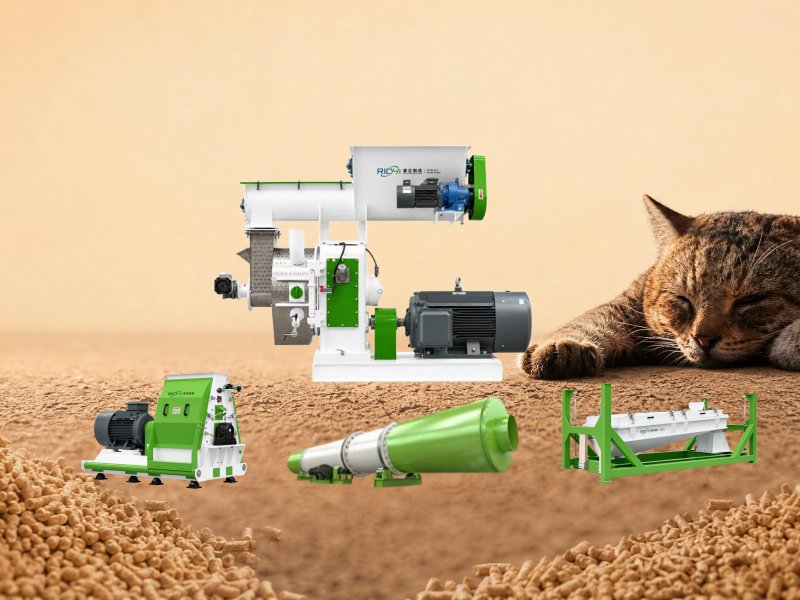
A basic production setup may include:
- Cassava cleaning or preparation equipment
- Hammer mill
- Feed mixer
- Pellet mill
- Cooler
- Screener
- Conveyor
- Simple packing equipment
Not every farm needs all of these machines. A dryer is only necessary when the raw material requires moisture reduction.
Likewise, conveyors and automatic packing can be added later if production increases.
How Should Capacity Be Selected?
The machine capacity should match the farm’s daily feed requirement.
Farmers should estimate the amount of feed consumed by cattle, goats, sheep, pigs, or other livestock and then determine how many hours per day the production system will operate.
For example, a farm requiring a moderate amount of feed may operate a compact machine for several hours instead of purchasing a high-capacity system that remains idle most of the day.
Future expansion should also be considered when selecting the initial capacity.
A Simple Production Flow
A small cassava-feed operation can follow this sequence:
Cassava → Drying if Required → Grinding → Mixing → Conditioning → Pelletizing → Cooling → Screening → Packing
The process can remain relatively compact while still producing uniform feed pellets.
Before purchasing a pellet maker, buyers should provide information about the cassava form, moisture, required capacity, animal species, and target pellet size. Raw-material testing can further help determine the appropriate equipment configuration.
With the right combination of local raw materials and appropriately sized equipment, small farms can create a practical feed-production process without building a large industrial factory. More information can help buyers understand different equipment combinations for small animal-feed projects.
Related Post: https://pelletizerequipment.com/peanut-shell-pellet-machine/