
With global aquaculture expanding rapidly, more investors and feed manufacturers are considering building or upgrading fish feed production facilities. However, one of the most common questions remains: is investing in a modern extrusion-based feed production line truly profitable?
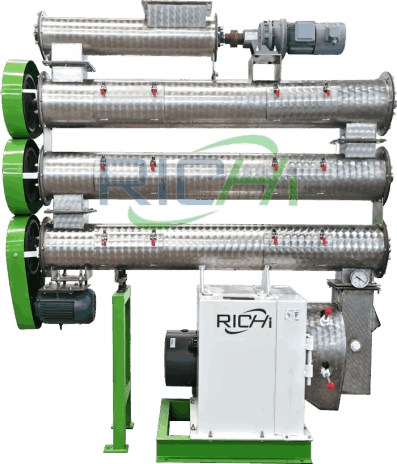
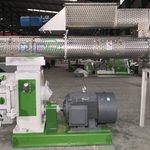
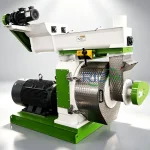
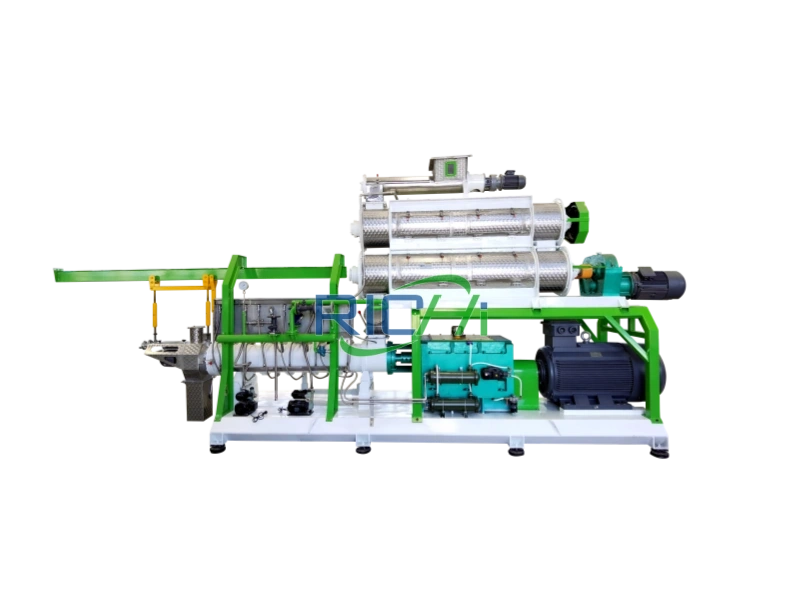
At the core of this decision lies the floating fish feed extruder machine, which directly determines product quality, production efficiency, and long-term operational cost.
This article provides a practical breakdown of investment considerations, production efficiency, equipment selection, and profitability factors in modern aquafeed plants.
1. The Rising Demand for Industrial Fish Feed Production
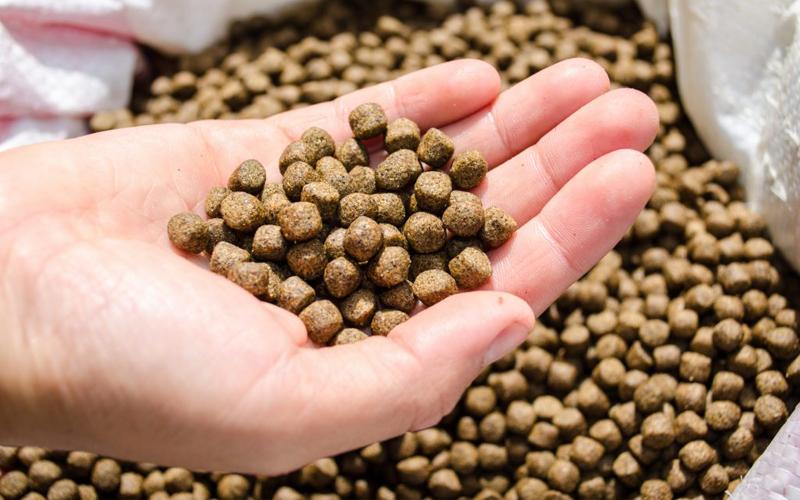
Aquaculture has shifted from traditional small-scale farming to large industrial systems. This transformation has significantly increased the demand for high-quality floating and sinking feed.
Fish farmers now require:
- Consistent pellet quality
- High feed conversion efficiency
- Stable production supply
- Reduced environmental impact
To meet these demands, extrusion-based production systems have become the industry standard.
The floating fish feed extruder machine plays a key role in ensuring these requirements are met efficiently and consistently.
2. Understanding Investment Structure of a Feed Production Plant
A complete fish feed production plant typically includes several core sections:
- Raw material storage system
- Grinding and milling unit
- Mixing and batching system
- Conditioning and extrusion system
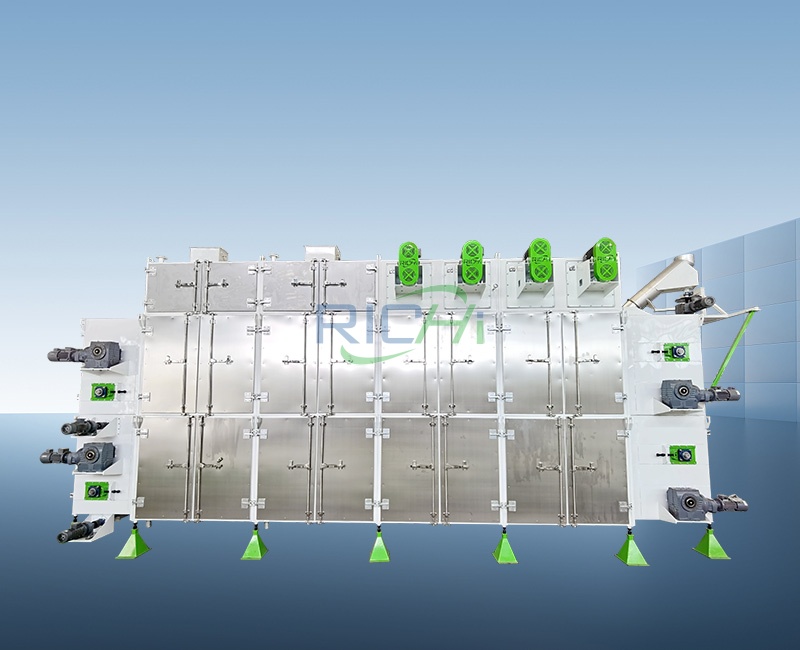
- Drying and cooling system
- Packaging unit
Among these, the extrusion section usually represents the most critical investment component, as it directly affects feed quality and production capacity.
3. Capacity Planning and Production Options
When planning an aquafeed factory, capacity selection is a key decision that affects both investment cost and long-term profitability.
For medium-scale operations, systems like 5-6 T/H sinking fish feed machine for sale are often considered to support diversified production lines capable of handling multiple feed types.
Choosing the right capacity depends on:
- Market demand
- Raw material availability
- Target fish species
- Budget constraints
- Expansion plans
Proper planning ensures balanced investment and avoids overcapacity or underutilization.
4. Role of Equipment Manufacturer in Investment Success
The success of a feed production plant depends not only on equipment selection but also on the manufacturer’s engineering capability.
Companies such as Richi Machinery provide integrated production solutions that help investors reduce technical risks and improve operational efficiency.
Their systems typically focus on:
- Energy efficiency design
- Stable extrusion performance
- Automated control systems
- Long-term durability
Similarly, Richi Pellet Machine solutions are widely used in international aquafeed projects due to their reliability and scalability.
Choosing an experienced manufacturer helps reduce installation risks and improves ROI stability.
5. Cost vs Efficiency in Fish Feed Extrusion Systems
One of the biggest advantages of modern extrusion systems is their ability to balance production cost and efficiency.
Key cost-saving factors include:
5.1 Reduced Feed Waste
Floating feed allows farmers to visually monitor feeding behavior, minimizing overfeeding.
5.2 Improved Feed Conversion Ratio (FCR)
Better digestion means less feed is required for the same growth output.
5.3 Energy Optimization
Modern extruders are designed to reduce power consumption per ton of feed produced.
5.4 Labor Efficiency
Automated systems reduce manpower requirements significantly.
6. Floating vs Sinking Feed Production Flexibility
Modern aquafeed plants are increasingly designed to produce both floating and sinking feed.
Floating feed is widely used for surface-feeding species such as tilapia and carp, while sinking feed is essential for shrimp and bottom-dwelling species.
Advanced systems allow switching production modes using adjustable parameters and die configurations, making extrusion plants more versatile and profitable.
7. Return on Investment in Fish Feed Production
The profitability of a fish feed plant depends on multiple factors:
- Production efficiency
- Raw material cost
- Energy consumption
- Market price of feed
- Equipment maintenance cost
A well-designed extrusion system can significantly shorten ROI cycles by improving production efficiency and reducing operational losses.
8. Global Market Expansion Opportunities
The demand for aquafeed is increasing in regions such as:
- Southeast Asia
- South America
- Africa
- Eastern Europe
These regions are experiencing rapid aquaculture expansion, creating strong demand for modern feed production infrastructure.
Investors who adopt advanced extrusion technology early often gain competitive advantages in emerging markets.
9. Optimization Strategies for Higher Profitability
To maximize returns, feed manufacturers should focus on:
Raw Material Optimization
Using cost-effective but high-quality ingredients improves margins.
Process Control Automation
Automated systems reduce labor costs and production errors.
Equipment Maintenance Planning
Regular maintenance prevents unexpected downtime and losses.
Production Flexibility
Multi-species production capability increases market opportunities.
10. Industry Insight and Technical Reference
For further industry learning and technical comparison, many engineers refer to get more resources that explain extrusion system design and production optimization strategies in detail.
Conclusion
Investing in a modern fish feed production plant centered around the floating fish feed extruder machine can deliver strong long-term profitability when properly planned.
By selecting the right capacity, optimizing production processes, and working with experienced manufacturers, investors can build efficient, scalable, and competitive aquafeed businesses in the growing global market.