


Introduction
Agricultural waste management has become a major global concern as farming activities continue to generate massive amounts of residues every year. Straw, rice husks, corn stalks, sugarcane bagasse, and other crop by-products are often burned or discarded, leading to environmental pollution and wasted energy potential.
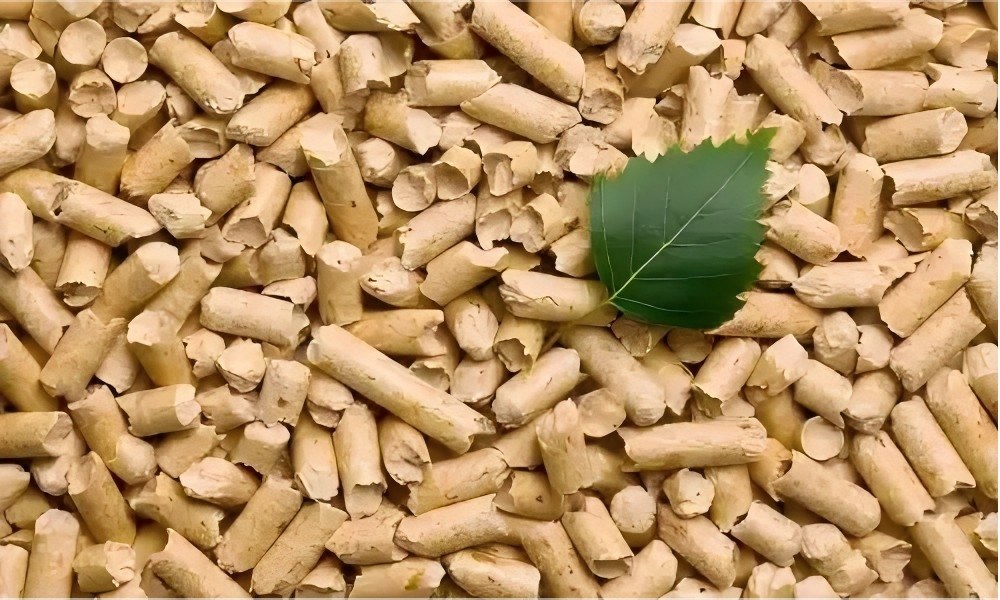
In recent years, however, these materials have gained new value through pelletizing technology. Agricultural waste pellets are compact, high-density biomass fuels made by compressing agricultural residues into uniform shapes. They are widely used in heating systems, industrial boilers, and renewable energy power plants.
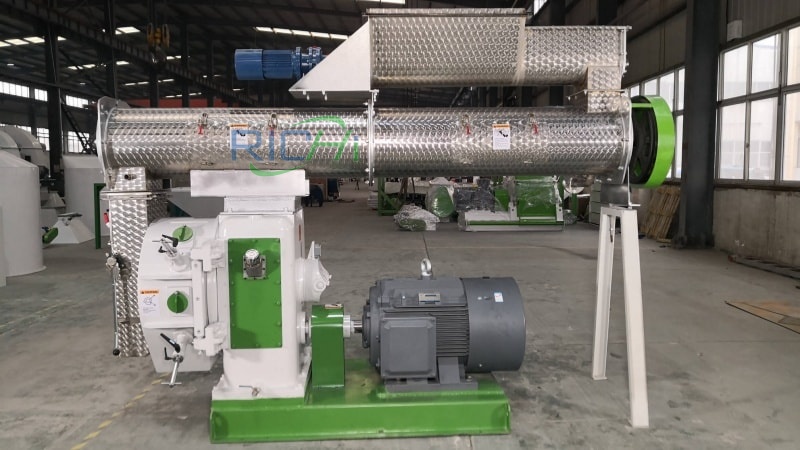
The transformation from loose biomass to solid fuel is made possible through equipment such as the straw pellet press, which plays a central role in converting low-value agricultural residues into high-efficiency energy products.
This article explores the key benefits of agricultural waste pellets from environmental, economic, and energy perspectives.
1. Environmental Benefits of Agricultural Waste Pellets
1.1 Reduction of Air Pollution
One of the most significant benefits of agricultural waste pellets is the reduction of air pollution caused by open burning.
In many agricultural regions, farmers burn straw and crop residues after harvest. This practice releases:
- Carbon dioxide (CO₂)
- Particulate matter (PM2.5 and PM10)
- Carbon monoxide (CO)
- Volatile organic compounds
By converting these residues into pellets using a straw pellet press, burning in fields is eliminated. Instead, biomass is used in controlled combustion systems with significantly lower emissions.
https://pelletisingmachine.com/straw-pellet-mill
1.2 Lower Greenhouse Gas Emissions
Agricultural waste pellets are considered carbon-neutral because the carbon dioxide released during combustion is offset by the carbon absorbed during plant growth.
Compared to fossil fuels like coal and oil, biomass pellets:
- Emit significantly lower net carbon emissions
- Reduce reliance on fossil carbon sources
- Support global climate goals
This makes them an important part of strategies to combat climate change.
1.3 Waste Reduction and Resource Utilization
Agricultural residues are often treated as waste, but pelletizing transforms them into valuable resources.
Benefits include:
- Reduction of agricultural waste accumulation
- Better land management after harvest
- Prevention of illegal burning
- Efficient use of renewable biomass
The straw pellet press helps convert these residues into usable fuel instead of environmental pollutants.
2. Energy Benefits of Agricultural Waste Pellets
2.1 High Energy Density
Raw agricultural waste has low bulk density and poor combustion efficiency. Pelletizing significantly improves energy content per unit volume.
Pellets produced through a straw pellet press have:
- Higher calorific value per cubic meter
- More stable combustion characteristics
- Better heat output consistency
This makes them a more efficient fuel compared to raw biomass.
2.2 Improved Combustion Efficiency
Agricultural waste pellets burn more efficiently because:
- They have uniform size and shape
- Moisture content is controlled
- Airflow during combustion is optimized
This leads to:
- Cleaner burning
- Less ash residue
- Higher thermal efficiency
2.3 Stable Fuel Supply
Unlike fossil fuels, agricultural waste is renewable and widely available. Pellets provide:
- Year-round fuel availability
- Standardized energy output
- Easier storage and transport
This stability is essential for industrial energy systems.
3. Economic Benefits of Agricultural Waste Pellets
3.1 Additional Income for Farmers
One of the most direct economic benefits is that farmers can earn income from agricultural residues that were previously considered waste.
Instead of burning or discarding straw and stalks, farmers can:
- Sell biomass to pellet plants
- Participate in supply chains
- Reduce waste disposal costs
This creates a new rural income stream.
3.2 Low Raw Material Costs
Agricultural residues are often:
- Free or very low cost
- Locally available
- Abundant during harvest seasons
This significantly reduces production costs for pellet manufacturers.
3.3 Job Creation in Rural Areas
The biomass pellet industry creates employment opportunities in:
- Raw material collection
- Transportation
- Processing plant operations
- Equipment maintenance
The use of equipment such as the straw pellet press further supports industrial development in rural regions.
3.4 Export Opportunities
Many countries with high agricultural output can export biomass pellets to regions with limited biomass resources.
This generates:
- Foreign exchange revenue
- International trade opportunities
- Long-term market expansion
4. Industrial and Commercial Benefits
4.1 Wide Application Range
Agricultural waste pellets are used in many industries:
- Power generation plants
- Industrial boilers
- Cement and steel industries
- Residential heating systems
This wide application increases market demand and stability.
4.2 Compatibility with Existing Systems
Many biomass pellets can be used in modified coal boilers, making them a practical alternative fuel without requiring complete infrastructure replacement.
This reduces transition costs for industries switching to renewable energy.
4.3 Scalable Production Systems
Pellet production systems can be designed for:
- Small farms
- Medium enterprises
- Large industrial plants
The straw pellet press is available in different capacities, making it suitable for various production scales.
5. Role of the Straw Pellet Press in Pellet Production
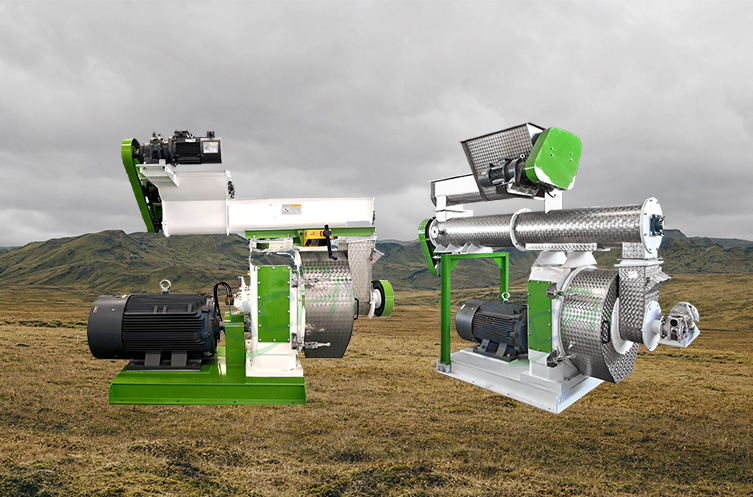
The straw pellet press is the core machine in the pelletizing process. It compresses loose agricultural residues into dense, uniform pellets using mechanical pressure and heat.
Key functions include:
- Densifying low-density biomass
- Shaping pellets with consistent size
- Activating natural lignin as a binder
- Increasing fuel durability
Benefits of using a straw pellet press:
- High production efficiency
- Stable pellet quality
- Reduced transportation cost
- Improved energy density
Without this machine, agricultural waste would remain bulky and inefficient as a fuel source.
6. Storage and Transportation Benefits
6.1 Reduced Volume
Pelletizing reduces biomass volume significantly, making storage more efficient.
6.2 Easier Transportation
Compared to loose straw, pellets are:
- More compact
- Easier to load and unload
- Less affected by weather conditions
6.3 Longer Shelf Life
Properly produced pellets resist moisture and degradation, allowing long-term storage without significant quality loss.
7. Environmental Sustainability and Circular Economy
Agricultural waste pellets support the concept of a circular economy by:
- Turning waste into energy
- Reducing landfill use
- Reusing renewable resources
The use of a straw pellet press ensures that agricultural residues are not wasted but reintegrated into the energy system.
This aligns with global sustainability goals and supports green development policies.
8. Challenges and Limitations
Despite many benefits, there are some challenges:
8.1 Raw material collection logistics
Agricultural waste is often scattered over large areas.
8.2 Seasonal availability
Biomass supply may fluctuate depending on harvest cycles.
8.3 Equipment investment
Initial investment in a straw pellet press and production line can be high.
8.4 Moisture control requirements
Improper drying can affect pellet quality.
However, these challenges can be managed through better planning and technology improvements.
9. Future Development of Agricultural Waste Pellets
The future of agricultural waste pellet utilization is highly promising.
Key trends include:
- Increased global demand for renewable energy
- Expansion of biomass power plants
- Technological improvements in pellet equipment
- Government subsidies for green energy
- Growth of international biomass trade
As these trends continue, the importance of agricultural waste pellets will continue to grow.
Conclusion
Agricultural waste pellets offer a wide range of environmental, economic, and energy benefits. They reduce pollution, improve energy efficiency, generate income for farmers, and support sustainable development.
At the center of this transformation is the straw pellet press, which enables efficient conversion of agricultural residues into valuable biomass fuel.
As global energy systems continue shifting toward renewable sources, agricultural waste pellets will play an increasingly important role in building a cleaner, more sustainable future.