


The global demand for renewable energy continues to increase as industries search for cleaner alternatives to traditional fossil fuels. Among various renewable solutions, biomass pellets have become one of the most practical options because they are easy to store, transport, and utilize. Agricultural residues, forestry waste, and energy crops that were once considered low-value materials can now be converted into high-density fuel products through advanced pelletizing technology.
However, producing high-quality biomass pellets is not simply a matter of compressing raw materials. The selection of pelletizing equipment directly influences production efficiency, pellet quality, energy consumption, and long-term operating costs. For many investors planning a biomass pellet project, choosing a suitable machine has become one of the most important decisions.
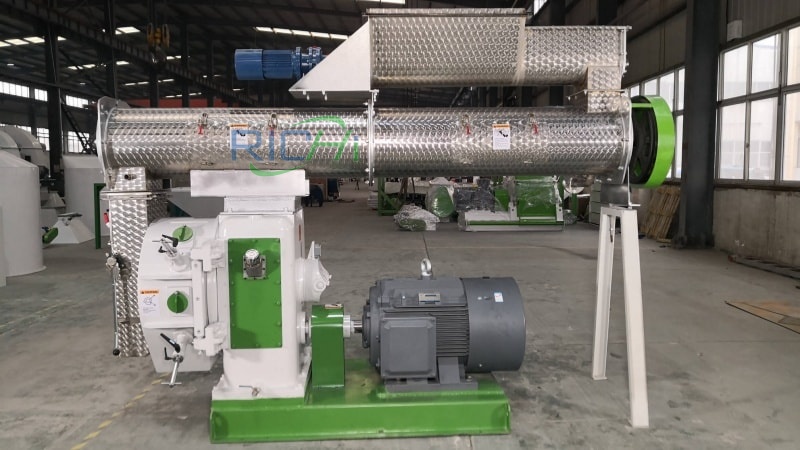
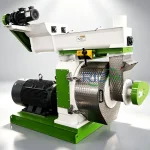
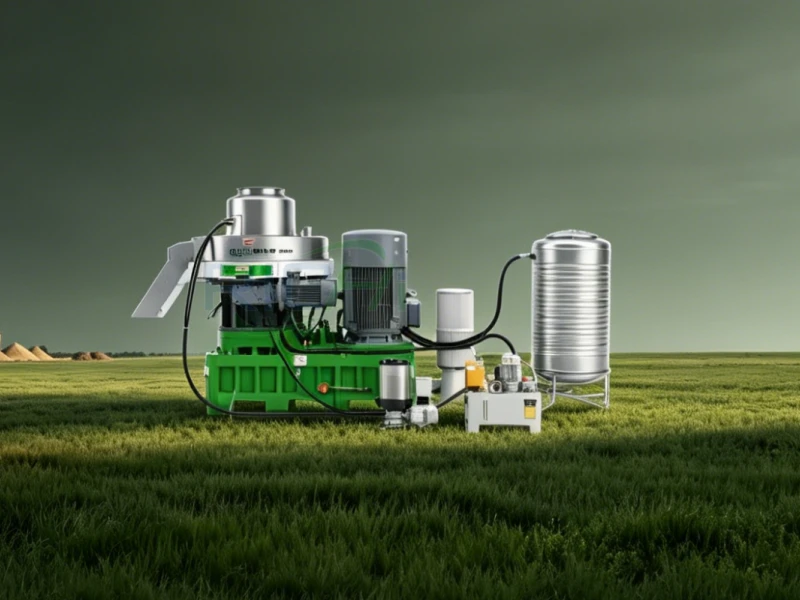
With continuous improvements in mechanical design, the vertical ring die pellet mill has become a preferred solution for many biomass processing plants. Compared with traditional horizontal pellet equipment, vertical structures provide unique advantages in material feeding, pressure distribution, and maintenance convenience, making them suitable for processing various agricultural and forestry residues.
The Growing Importance of Biomass Pellet Production
Biomass resources are available in almost every region of the world. Materials such as straw, rice husks, corn stalks, sawdust, wood chips, and grass can all be transformed into valuable pellet products. This creates opportunities not only for energy companies but also for agricultural businesses looking to increase income from existing resources.
In many developing agricultural areas, large quantities of crop residues are generated every year. Without proper utilization, these materials may be burned openly or discarded, causing environmental problems. Pellet production provides a practical way to recycle these resources while creating additional economic benefits.
A complete pellet project allows operators to collect local biomass materials, process them into standardized fuel pellets, and supply them to residential heating systems, industrial boilers, power plants, and other energy users.
(Related Post: https://www.richipelletmill.com/wood-pellet-plant-for-sale/)
At the same time, the pellet market is becoming more competitive. Customers are no longer only concerned about purchasing equipment; they also care about production stability, energy consumption, automation level, and return on investment.
Why Vertical Pellet Equipment Is Becoming More Popular
Traditional pellet mills have played an important role in biomass processing for many years. However, as production requirements become higher, many manufacturers and investors are looking for equipment with better efficiency and easier operation.
A vertical biomass pellet mill provides several advantages that make it attractive for modern pellet plants.
1. Better Material Feeding Performance
The vertical feeding structure allows raw materials to enter the compression chamber more naturally through gravity. This reduces feeding resistance and improves material distribution inside the machine.
Stable feeding is especially important when processing lightweight materials such as straw, grass, and agricultural residues. Uneven feeding may lead to unstable pellet density, increased energy consumption, or unnecessary equipment wear.
2. Higher Compression Efficiency
During pellet production, raw materials need sufficient pressure and heat to form strong pellets. The vertical ring die structure helps create a more balanced compression process.
A stable compression environment improves pellet durability and reduces the generation of fines. This is especially valuable for customers who need pellets suitable for long-distance transportation or commercial fuel applications.
3. Easier Maintenance and Longer Service Life
Maintenance costs are an important factor affecting profitability. Equipment downtime can directly reduce production capacity and increase operating expenses.
Modern vertical pellet machines are designed with improved accessibility, allowing operators to inspect and replace key wearing parts more conveniently. Proper maintenance can significantly extend equipment service life.
Building Efficient Straw Pellet Production Projects
Straw is one of the most abundant biomass resources worldwide. Wheat straw, rice straw, corn stalks, and other agricultural residues contain valuable organic components that can be converted into fuel pellets.
However, straw pellet production has specific technical requirements. Compared with wood materials, straw usually has lower natural lignin content and different fiber characteristics. Therefore, the complete production process needs to be carefully designed.
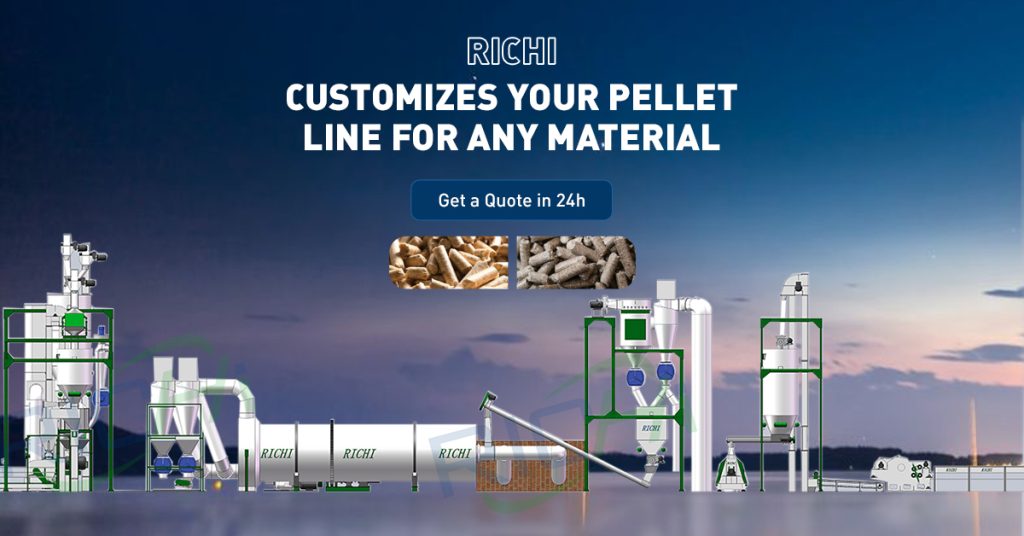
A professional 3-4 T/H straw pellet plant for sale usually includes multiple processing stages:
- Raw material crushing;
- Drying and moisture adjustment;
- Material mixing;
- Pelletizing;
- Cooling;
- Screening;
- Packaging.
Each stage affects final pellet quality. For example, excessive moisture can reduce pellet strength, while insufficient moisture may increase energy consumption during compression.
A well-designed production line should match local raw material conditions, expected output, and market requirements.
Key Factors When Choosing Pellet Production Equipment
Before investing in a biomass pellet project, customers should evaluate several important factors.
Raw Material Characteristics
Different biomass materials have different physical properties. Sawdust, straw, bamboo, rice husk, and grass require different processing parameters.
A suitable pellet machine should have strong adaptability and be capable of handling various materials without frequent adjustments.
Production Capacity Requirements
Production capacity determines equipment selection. Small farms may only need a compact solution, while commercial pellet factories require continuous industrial production.
For businesses planning future expansion, selecting equipment with scalable capacity can reduce replacement costs.
For example, a 0.5-10 T/H straw pellet production line for sale can be designed according to different investment levels, allowing customers to choose a suitable configuration based on current demand and future development plans.
Energy Consumption and Operating Costs
Energy efficiency directly affects profitability. Modern pellet manufacturers pay increasing attention to electricity consumption, labor requirements, and maintenance expenses.
A high-quality pellet system should not only produce pellets but also help operators achieve stable long-term operation.
Technology Development Trends in Biomass Pellet Manufacturing
The biomass industry is continuously evolving. Several trends are shaping the future of pellet production.
Automation and Intelligent Control
Automation systems are becoming increasingly common in modern pellet plants. Sensors, automatic feeding systems, and centralized control platforms help operators monitor production conditions and improve efficiency.
Automated production reduces manual operation requirements and improves consistency.
Greater Use of Agricultural Waste
As governments and industries focus on carbon reduction, agricultural waste utilization is expected to grow rapidly. More investors are exploring opportunities in straw pellet production, especially in regions with large agricultural output.
Customized Pellet Solutions
Different markets have different requirements. Some customers produce industrial fuel pellets, while others manufacture animal bedding pellets or specialty biomass products.
Therefore, customized solutions are becoming increasingly important. Equipment suppliers need to consider raw materials, capacity goals, factory layout, and final applications.
Improving Investment Returns Through Proper Planning
A biomass pellet project is a long-term investment. The profitability depends not only on equipment price but also on raw material availability, production efficiency, market demand, and management ability.
Before starting construction, investors should conduct detailed research:
- Identify reliable biomass suppliers;
- Analyze local pellet demand;
- Select suitable equipment;
- Calculate operating costs;
- Plan future expansion.
Working with an experienced manufacturer can help avoid common problems during project development.
Professional suppliers can provide technical support, production line design, installation guidance, and after-sales service. Customers can also access more technical information and industry knowledge through helpful resources provided by experienced pellet equipment companies.
Choosing the Right Partner for Biomass Pellet Projects
The success of a pellet production business depends heavily on equipment quality and technical support. A reliable supplier should have experience in biomass processing, complete engineering capabilities, and the ability to provide customized solutions.
Companies with professional manufacturing experience can help customers select appropriate machines based on their raw materials and production goals. They can also provide solutions ranging from individual equipment to complete production systems.
Many investors prefer working with manufacturers that can offer complete engineering services instead of purchasing machines separately from different suppliers. This reduces installation difficulties and improves project reliability.
A trusted supplier such as Richi manufacture focuses on providing complete pellet production solutions for biomass, feed, and other industries. With professional engineering experience, manufacturers can support customers from initial planning to final operation.
Conclusion
Biomass pellet production represents an important opportunity in the renewable energy industry. As demand for sustainable fuel continues to increase, efficient and reliable pelletizing equipment will play a more significant role.
Advanced vertical pellet technology offers advantages in feeding stability, compression efficiency, maintenance convenience, and production reliability. For investors considering biomass projects, selecting suitable equipment and designing a complete production solution are essential steps toward long-term success.
Whether processing agricultural residues or forestry waste, modern pellet technology provides a practical way to transform renewable resources into valuable products. With proper planning and professional support, biomass pellet businesses can achieve stable production while contributing to a cleaner energy future.