


Behind every poultry barn, there’s a pile. It grows a little bigger every day, fed by the steady output of thousands of birds. For most farmers, it’s a problem to be managed—hauled away, spread on fields, or stored until someone figures out what to do with it. The smell, the flies, the complaints from neighbors, and the ever-present risk of environmental fines make it one of the least pleasant aspects of poultry farming.
But here’s a perspective shift that’s changing how some farmers view that pile. What if the manure wasn’t a problem at all? What if it was actually one of the most valuable assets on the farm? What if, instead of paying to get rid of it, you could sell it for a price that rivals what you earn from the birds themselves?
This isn’t wishful thinking. Across the world, poultry farmers are discovering that processed manure pellets command premium prices in the organic fertilizer market. The same nutrients that make raw manure a pollution risk—nitrogen, phosphorus, and potassium—become a valuable resource when concentrated and stabilized into a clean, uniform product. The technology to do this is mature, the equipment is accessible, and the economics are increasingly compelling.
Understanding Poultry Manure Composition
Poultry manure is different from other livestock waste in several important ways. It’s more concentrated in nutrients than cattle or pig manure, with higher levels of nitrogen and phosphorus per ton. A typical batch of poultry litter contains roughly 3% to 4% nitrogen, 2% to 3% phosphorus, and 2% to 3% potassium, along with a range of micronutrients.
The exact composition depends on several factors. The birds’ diet influences nutrient levels significantly. The type of bedding material—wood shavings, rice hulls, straw, or sand—adds its own characteristics to the mix. The age of the manure and how it’s been stored also affect its properties.
Poultry manure also dries more readily than cattle manure because of its lower initial moisture content. Fresh poultry manure typically contains 25% to 35% water, compared to 80% to 90% for cattle slurry. This lower moisture content makes it more suitable for processing without extensive drying.
But poultry manure has its challenges too. It’s acidic, which can corrode equipment over time. The silica content from feed and the abrasiveness of grit and bedding material add wear to machinery. The ammonia released during processing can be unpleasant if the system isn’t properly ventilated. And the variability of the material—different moisture levels, different bedding types, different feed formulations—means the processing system must be flexible enough to handle variations.
The Science of Nutrient Concentration
Raw poultry manure is a dilute fertilizer. The nutrients are spread throughout a large volume of material that also contains water, bedding, and organic matter. Applying raw manure to fields delivers these nutrients, but the application rates must account for the bulk and the variability.
When manure is processed into pellets, the nutrients become concentrated. The drying step removes water, reducing the volume. The grinding step homogenizes the material. The pelleting step creates a dense product that can be applied precisely. A ton of poultry manure pellets contains the same nutrients as several tons of raw manure, but in a fraction of the volume.
This concentration has practical benefits. Pelleted manure is easier to store, handle, and transport. It can be applied with standard fertilizer spreaders, eliminating the need for specialized manure handling equipment. And the nutrient content is consistent, allowing for precise application rates that match crop needs.
The Processing Steps Explained
Turning raw poultry manure into marketable pellets is a multi-stage process. Each step serves a specific purpose.
Drying is the first and often most critical step. Fresh poultry manure contains 25% to 35% moisture. For effective pelleting, this needs to come down to about 12% to 15%. The drying method can be natural—spreading the manure in thin layers and allowing sun and wind to remove moisture—or mechanical, using a rotary drum or belt dryer. Natural drying is inexpensive but weather-dependent and slow. Mechanical drying is faster and more consistent but consumes energy.
Grinding follows drying. The dried manure is reduced to a uniform particle size, typically 2 to 5 millimeters. This step breaks up lumps and ensures that the bedding material is fully incorporated. A consistent particle size is essential for smooth feeding through the pellet machine and uniform pellet quality.
Conditioning is the next step. Steam and sometimes water are added to the ground material. This softens the fibers and activates the natural binders in the manure, preparing it for compression. Conditioning is particularly important for poultry manure because of its fibrous content.
Pelleting is the core step. The conditioned material is fed into a machine where rotating rollers force it through holes in a metal die. The pressure and friction generate heat, which melts the natural binders and creates a solid, dense pellet. The die size determines the pellet diameter, typically 4 to 8 millimeters for fertilizer applications.
Cooling follows immediately after pelleting. The hot, moist pellets must be cooled to ambient temperature. This hardens them and reduces moisture content further, preventing spoilage during storage.
Screening is the final step. The cooled pellets pass through a screen that removes fines and broken pieces. These are recycled back into the process. The finished pellets are then ready for packaging or bulk storage.
The Technology Behind the Transformation
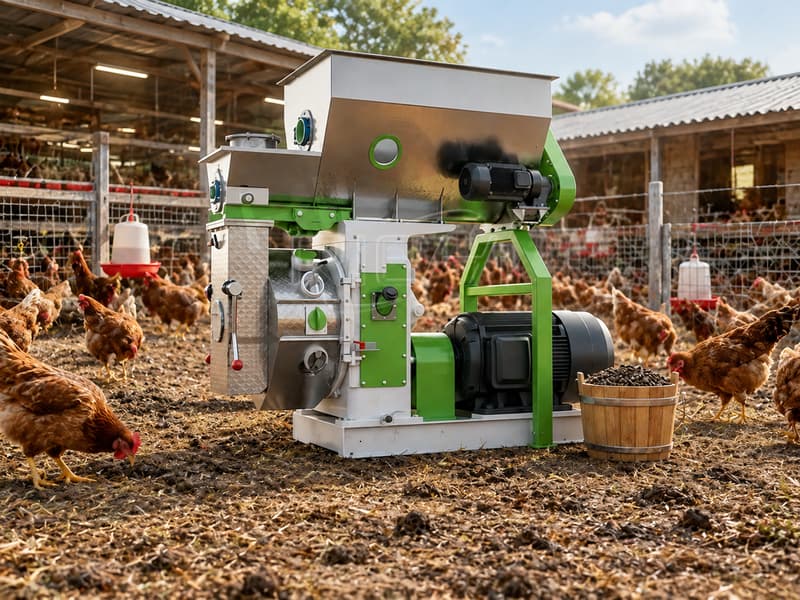
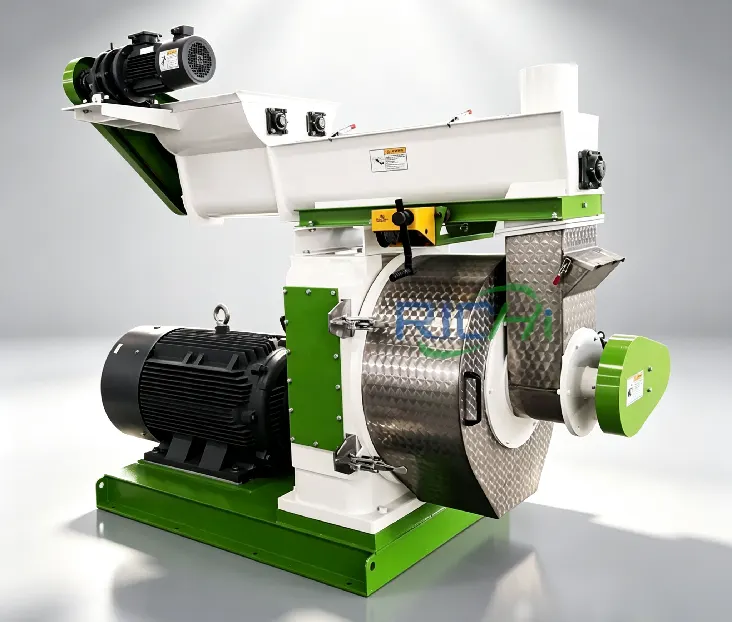
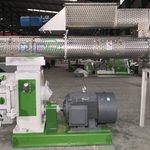
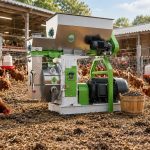
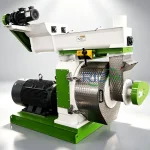
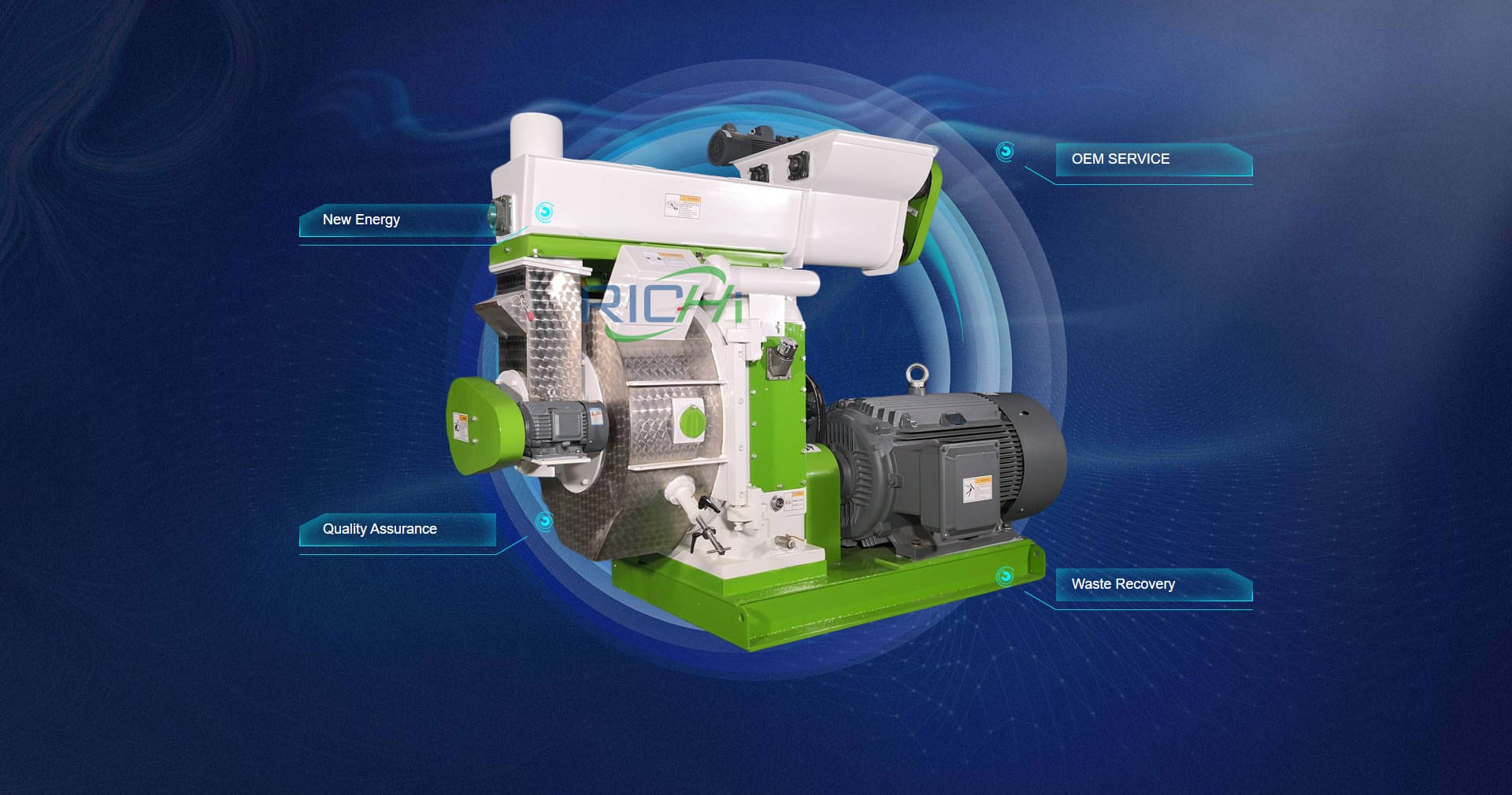
At the heart of this process is the poultry manure processing machine. This equipment must handle the abrasive, variable nature of poultry manure without excessive wear or frequent breakdowns.
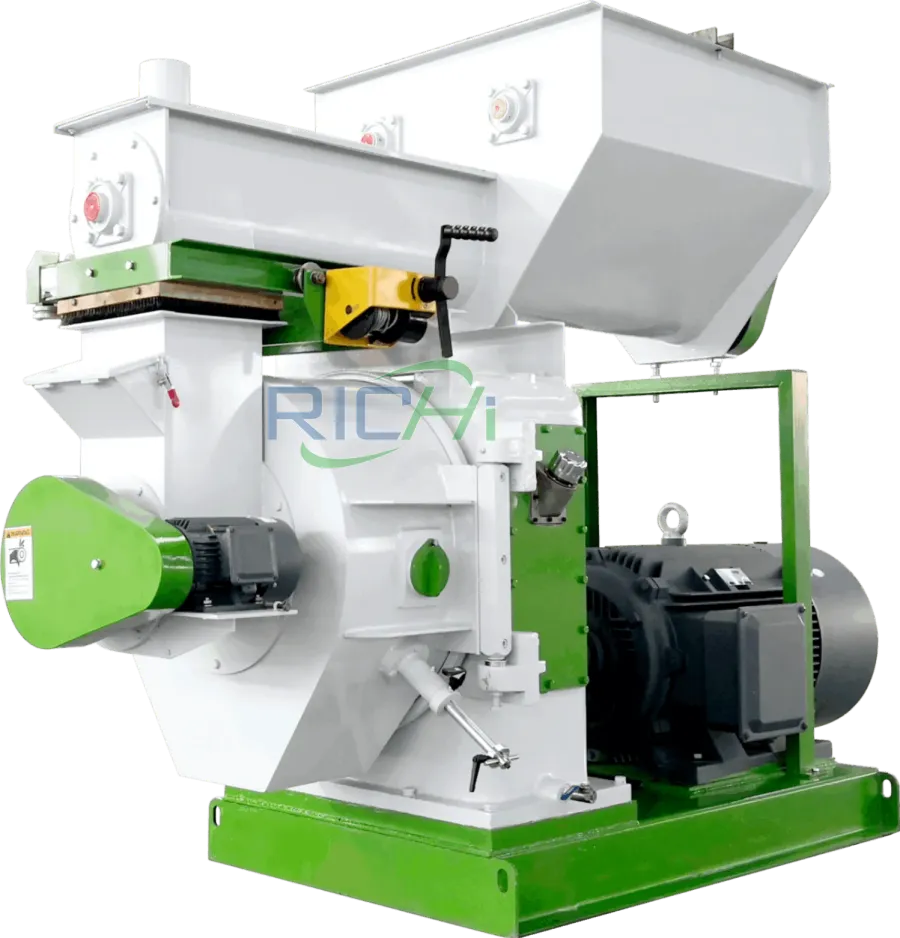
The die is the most critical component. It must be made from alloys that resist both corrosion and abrasion. The holes in the die must be precision-drilled to ensure consistent pellet diameter. The die’s compression ratio—the relationship between the hole diameter and the effective thickness of the die—determines the density and durability of the pellets.
The rollers that press the material through the die must also be wear-resistant. Their surface must maintain its profile over thousands of operating hours. The bearings that support the rollers must be sealed against the dust and moisture that are part of the processing environment.
The feeding mechanism must handle material that can be sticky and variable in consistency. A force feeder ensures a consistent flow to the die, preventing the machine from starving or overfeeding. This consistency is essential for uniform pellet quality.
Customization for Different Operations
Not every poultry operation produces the same manure. The bedding type, bird diet, and manure handling practices all affect the characteristics of the material that reaches the processing equipment. A machine that works well for one operation might struggle with another.
The most effective approach is often a customized chicken manure pellet machine that’s configured for specific material characteristics. This might involve selecting a different die alloy for particularly abrasive manure, configuring the feeder for a specific bedding type, or adjusting the conditioning system for a particular moisture range.
Customization also extends to the layout of the entire processing line. The placement of the dryer relative to the grinder, the flow path from grinding to pelleting, and the cooling and screening arrangement all affect the efficiency and quality of the operation. A well-designed line minimizes handling, reduces labor, and prevents bottlenecks.
Markets for Processed Poultry Manure
Fertilizer is the primary market for processed poultry manure. The pellets are used on organic farms, where synthetic fertilizers are restricted, and on conventional farms seeking to improve soil health. Vegetable growers, fruit orchards, and row crop farmers are all potential customers.
The fuel market is growing. Poultry manure pellets have a calorific value of roughly 14 to 16 megajoules per kilogram, comparable to some wood pellets. They’re used in industrial boilers, greenhouse heating, and residential stoves. The fuel market has the advantage of being less seasonal than fertilizer, providing year-round demand.
Other applications are emerging. Poultry manure pellets are used in some pet bedding products, as a component in soil remediation, and in specialized agricultural applications. These niche markets often pay premium prices for products that meet specific quality standards.
The Role of Equipment Quality
The pellet machine is the heart of the operation, and its quality determines the success of the entire venture. A pellet maker for poultry manure is a specialized piece of equipment that must be engineered for the demands of this application.
Quality equipment features wear-resistant alloys in the dies and rollers, robust bearings sealed against dust and moisture, and a feeding mechanism that handles sticky materials reliably. The control system should allow operators to adjust parameters to match the material characteristics.
Beyond the machine itself, the manufacturer’s expertise matters. An experienced manufacturer can help operators select the right equipment, configure it for their specific material, and provide ongoing support. They understand the challenges of poultry manure processing and can guide operators through the learning curve.
Environmental Considerations
Processing poultry manure addresses several environmental concerns. The concentration of nutrients reduces the volume of material that must be transported, lowering fuel consumption. The stabilization of nutrients in pellet form reduces the risk of runoff and leaching. The heat during processing kills pathogens and weed seeds, reducing the risk of contamination.
For poultry operations under regulatory pressure to reduce their environmental footprint, processing equipment can be part of a compliance strategy. In some regions, grants or subsidies are available to offset the cost of equipment that improves environmental outcomes.
Getting Started with Manure Processing
The first step is understanding the resource. How much manure does the operation produce, and what are its characteristics? This information guides the selection of equipment and the design of the processing line.
The second step is understanding the market. Who in the region would buy processed poultry manure pellets? What specifications do they require? Understanding the market helps define the product characteristics and the scale of the operation.
The third step is selecting equipment. The machine must be matched to the material and the production goals. An experienced manufacturer can guide this selection and provide the support needed for success.
The Technology in Practice
Manure processing has been adopted by poultry farmers in many regions. The technology continues to evolve, with improvements in drying efficiency, die durability, and process control. Operators who invest in quality equipment and learn the techniques of proper processing find that the pile behind the barn becomes a reliable source of revenue.