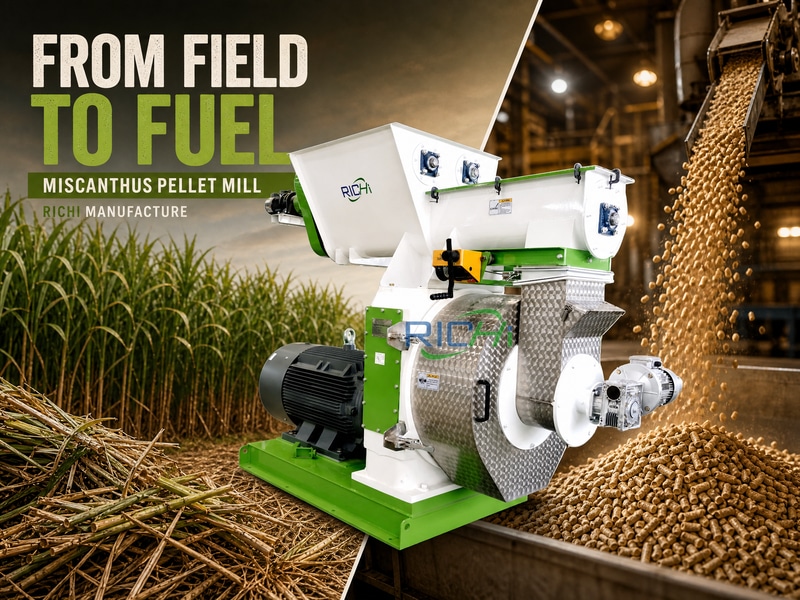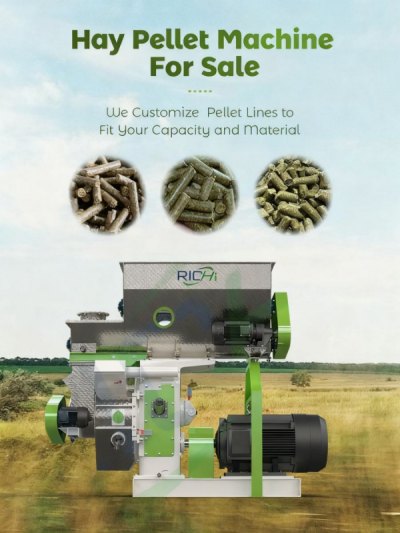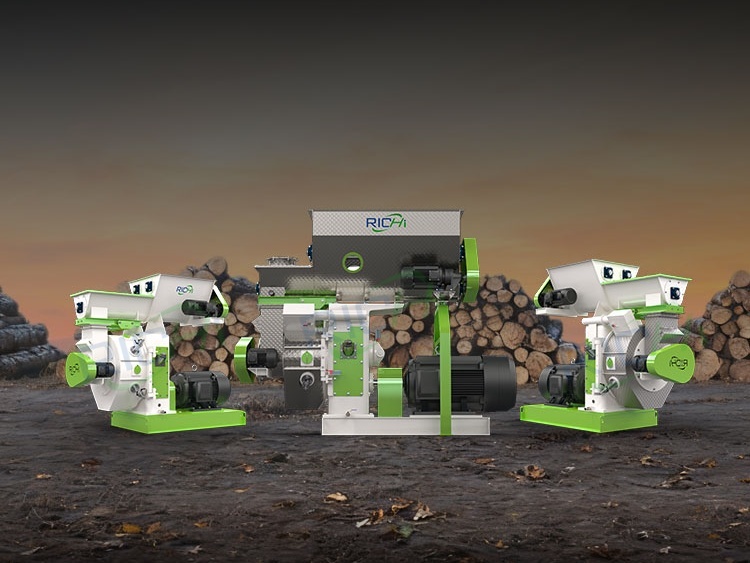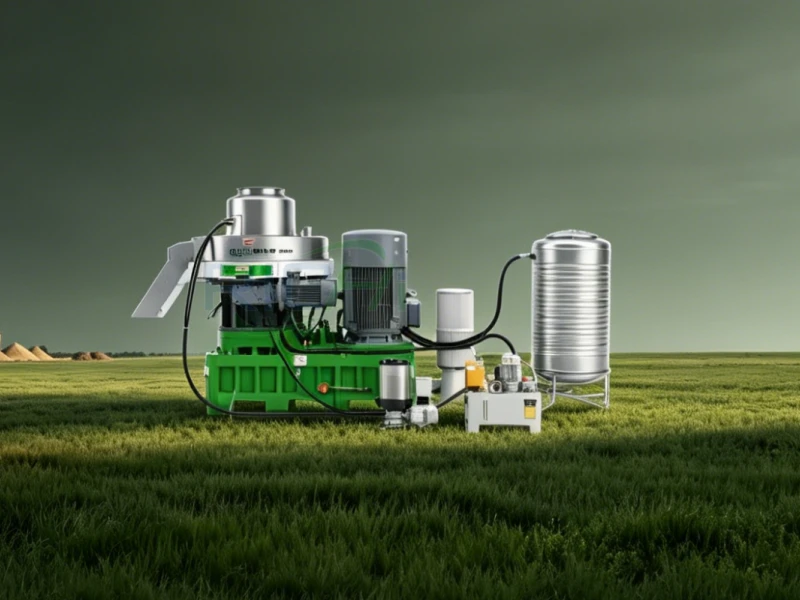


Global agricultural production generates billions of tons of organic residues every year, including wheat straw, rice husk, corn stalks, sugarcane bagasse, and peanut shells. For decades, most of these agricultural wastes have been disposed of through open burning, random stacking, or land burial, causing severe air pollution, land occupation, and resource waste. With the global push for carbon neutrality, circular economy development, and clean energy transformation, agricultural waste pelletization has emerged as a transformative green technology. By compressing loose, scattered agricultural residues into uniform, high-density solid fuel pellets, this technology turns worthless farm waste into high-value renewable resources. Driven by mature processing equipment and accessible industrial resources, straw pellet mill for sale options are widely available for small rural businesses, individual farmers, and medium-sized manufacturing enterprises, lowering the entry barrier for waste pellet production and popularizing this sustainable utilization model. Agricultural waste pellets bring comprehensive benefits covering environmental protection, economic development, energy security, and social progress, making them a pivotal part of modern green agricultural and new energy systems. This article elaborates on the core advantages and practical values of agricultural waste pellets from multiple dimensions.
The most prominent benefit of agricultural waste pellets lies in their remarkable environmental protection effects, which effectively solve the pollution problems caused by traditional agricultural waste disposal methods. Open burning of crop straw is a major source of seasonal haze and air pollutants in rural areas, releasing massive particulate matter, sulfur dioxide, nitrogen oxides, and volatile organic compounds. These pollutants not only degrade atmospheric quality but also trigger respiratory diseases and threaten public health. Meanwhile, unprocessed agricultural residues stacked randomly are prone to mildew and decay, polluting soil and surface water, and breeding pests and bacteria, destroying rural ecological environments. Agricultural waste pelletization completely eliminates these pollution risks. The centralized collection and industrial processing of crop residues ban open burning and random stacking, fundamentally reducing rural air and soil pollution.
In terms of carbon emission reduction, agricultural waste pellets are typical carbon-neutral energy sources with unique ecological advantages. During the growth of crops, plants absorb carbon dioxide from the atmosphere through photosynthesis. The carbon released during the combustion of agricultural waste pellets is exactly the carbon fixed in crop growth, forming a closed carbon cycle with no additional carbon increase in the atmosphere. Unlike fossil fuels such as coal and natural gas, which release buried ancient carbon and intensify the greenhouse effect, biomass pellets can effectively reduce regional carbon emissions and help enterprises and regions complete carbon reduction assessment targets. In addition, agricultural waste pellets feature low sulfur and low ash characteristics. Their sulfur content is far lower than that of traditional coal, and the ash residue after combustion is tiny and non-toxic. The residual ash can even be recycled as high-quality organic fertilizer to return to farmland, realizing zero-waste ecological circulation of agricultural resources.
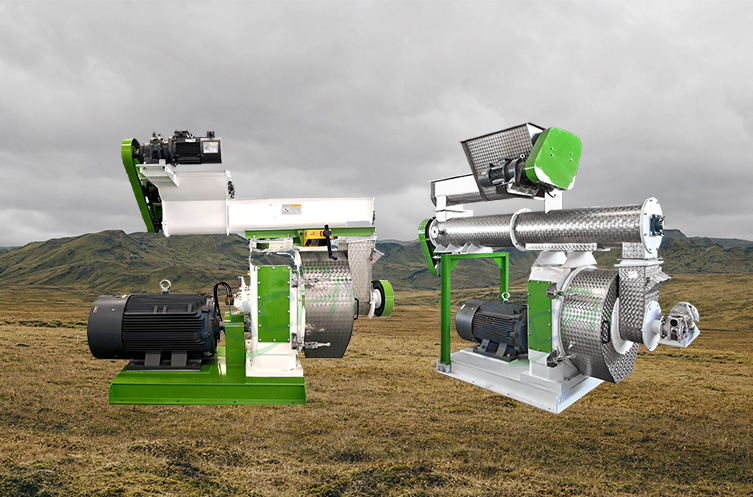
Agricultural waste pellets also deliver outstanding economic benefits, activating idle rural resources and building a new profit model for modern agriculture. For a long time, crop straw and other residues have been regarded as useless farm waste, requiring farmers to spend extra time and labor on disposal. The emergence of the pellet processing industry completely reverses this situation, turning agricultural waste into tradable commodities and creating additional income for farmers. Farmers can sell scattered crop residues to pellet processing factories, eliminating waste disposal costs and obtaining stable supplementary income. For rural investors and entrepreneurs, the industry has low investment thresholds and flexible production scales. A wealth of straw pellet mill for sale devices with different processing capacities are available on the market, covering small household models suitable for family workshops and large integrated production lines for industrial mass production. These devices are affordable, easy to operate, and low in maintenance costs, enabling rapid launch and quick return on investment for pellet production projects.
https://richipelletizer.com/straw-pellet-machine-for-sale
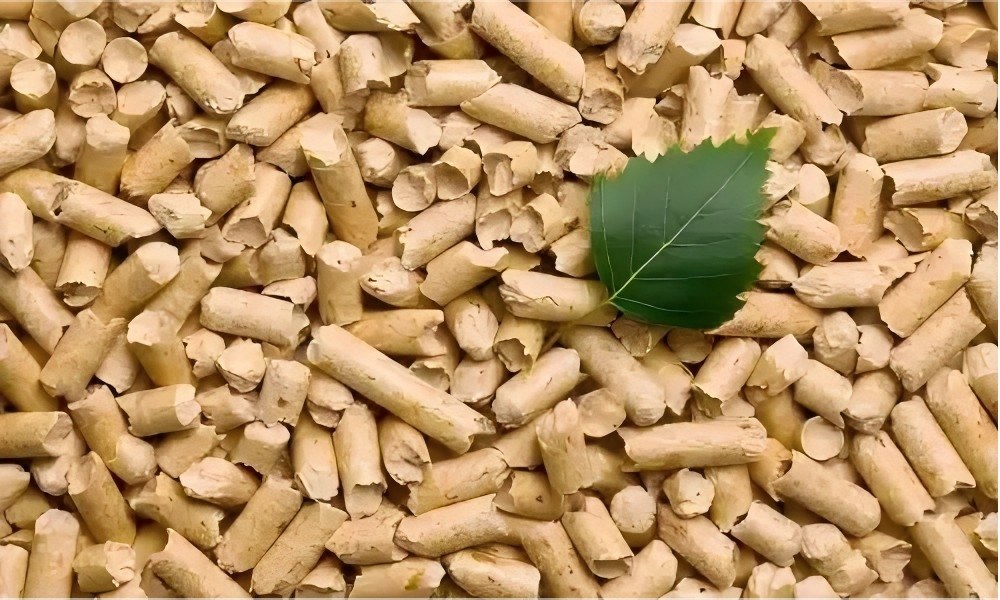
As a high-value clean fuel, agricultural waste pellets have stable market demand and strong profitability. With high energy density, low moisture content, and high combustion efficiency, compressed pellets solve the defects of loose straw such as inconvenient storage, difficult transportation, and insufficient combustion. Compared with traditional fossil fuels, agricultural waste pellets have lower unit energy costs and higher cost performance, widely favored by industrial enterprises and civilian users. Industrial fields including food processing, textile production, building material manufacturing, and biomass power generation use pellets as the main thermal energy fuel to replace high-pollution and high-cost coal. In civilian scenarios such as rural heating, hotel heating, and catering boiler energy supply, pellets have become a clean and economical alternative to natural gas and firewood. Moreover, high-quality agricultural waste pellets have broad export markets. European, Japanese, and Korean regions with strict environmental policies have long relied on imported biomass pellets to meet clean energy demand, bringing high premium profits for domestic pellet manufacturers. While driving the development of processing enterprises, the industry also extends the agricultural industrial chain, promotes the upgrading of rural economic structure, and injects new vitality into rural revitalization.
Enhancing national and regional energy security is another core benefit of agricultural waste pellets. At present, many countries face problems such as insufficient fossil fuel reserves, high energy import dependence, and unstable energy supply. The over-reliance on imported coal, oil, and natural gas leads to vulnerability in the energy system, easily affected by international energy price fluctuations and geopolitical conflicts. Agricultural waste is a renewable resource with huge annual output and wide distribution. As a stable local energy source, agricultural waste pellets can effectively supplement fossil energy shortages and optimize the national energy structure. Different from wind energy and solar energy restricted by natural conditions and power generation intermittency, biomass pellet energy can achieve stable and continuous supply through standardized production, storage, and transportation, fully meeting the 24-hour continuous energy demand of industrial production and civilian life.
In addition, agricultural waste pellets have significant advantages in storage and transportation compared with raw agricultural residues. Loose crop straw occupies a large space, has low unit calorific value, and is prone to mildew and deterioration during storage and long-distance transportation, resulting in high logistics costs and resource loss. After being processed by a professional straw pellet mill, the volume of agricultural waste is compressed by more than 70%, with increased density and stable properties. The standardized pellet shape is convenient for centralized storage, long-distance transportation, and automated feeding, greatly reducing energy storage and logistics costs. This advantage enables rural biomass resources to break regional restrictions and realize cross-regional resource allocation and energy supply, maximizing the utilization value of agricultural waste resources and improving the overall efficiency of regional energy utilization.
Agricultural waste pellets also bring profound social benefits, promoting rural employment, optimizing rural ecological environment, and promoting the popularization of green energy concepts. The pellet processing industry is a labor-intensive and rural-rooted industry. The construction of pellet processing plants drives the development of supporting links such as raw material collection, transportation, processing, and equipment maintenance, creating a large number of local employment positions for rural surplus laborers. Farmers can engage in raw material recycling and factory processing work nearby, realizing local employment and income increase, effectively alleviating the problem of rural hollowing out. At the same time, the large-scale promotion of agricultural waste pelletization completely improves the rural living environment. The elimination of straw burning reduces smog weather in rural areas, reduces respiratory diseases among rural residents, and improves public health levels. Clean pellet fuel replaces scattered firewood and coal burning in rural families, making rural living cleaner, safer, and more comfortable. (Learn more about industrial straw pellet plant)
From the perspective of industrial development, the popularization of agricultural waste pellets promotes the technological upgrading of the biomass energy industry and the improvement of the circular economy system. The market demand for high-quality pellets drives the iterative upgrading of processing equipment. The diverse straw pellet mill for sale equipment on the market is constantly optimized in terms of energy conservation, efficiency, and intelligence, promoting the standardized and intelligent development of the entire biomass processing industry. The industrial chain of “agricultural waste collection – pellet processing – clean energy utilization – organic fertilizer recycling” forms a closed-loop circular economy model, realizing the full-value utilization of agricultural resources, improving agricultural resource utilization efficiency, and providing a replicable and promotable development model for global agricultural waste treatment.
In addition, agricultural waste pellets have strong policy adaptability and social publicity value. In response to global carbon peaking and carbon neutrality goals, governments have successively introduced policies to restrict straw burning, support biomass energy development, and subsidize green energy projects. Agricultural waste pellet production conforms to national environmental protection and energy development policies, helping regions complete environmental assessment and carbon reduction tasks. The widespread application of pellet fuel also enables the public to intuitively understand the value of circular economy and green energy, enhance national environmental protection awareness, and create a good social atmosphere for promoting energy transformation and ecological civilization construction.
It is worth noting that the comprehensive benefits of agricultural waste pellets are constantly expanding with technological progress and industrial maturity. With the improvement of pellet processing technology, the quality of agricultural waste pellets is continuously improved, with higher calorific value, better combustion stability, and wider application scenarios. In addition to energy combustion, pellets can also be used as high-quality animal bedding, soil improvement substrates, and biological fermentation raw materials, further expanding their application value. The continuous improvement of the carbon trading system also enables pellet production projects to obtain additional carbon reduction benefits, further enriching the economic value of the industry.(go to my blog)
To sum up, agricultural waste pellets are a typical green environmental protection product integrating ecological value, economic value, energy value, and social value. They solve the environmental pollution and resource waste problems caused by traditional agricultural waste disposal, provide clean and renewable energy support for social development, create new income channels and employment opportunities for rural areas, and optimize the national energy structure. With the convenient industrial conditions represented by various mature straw pellet mill for sale devices, the threshold for the promotion and application of agricultural waste pellet technology is continuously reduced, and the industrial development prospect is broad. In the context of global advocacy of green development and circular economy, promoting the industrialization of agricultural waste pellets is not only an important measure to improve rural ecological environment and activate rural economic resources but also a key path to promote energy transformation and realize sustainable social development. Its multiple comprehensive benefits determine that agricultural waste pellets will occupy an increasingly important position in future agricultural development and new energy systems.