
How Grass Feed Pellets Improve Livestock Nutrition
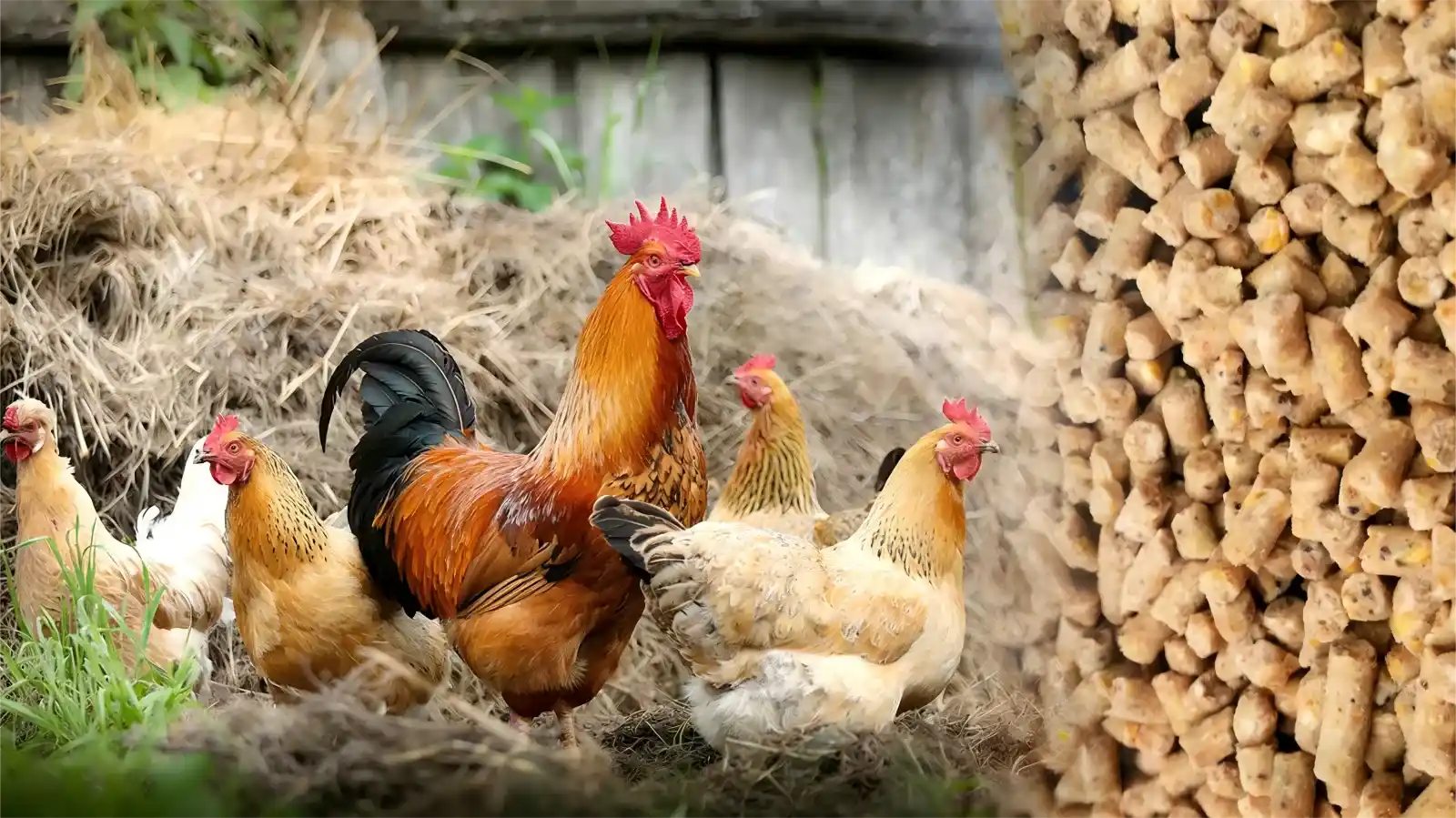
Grass feed pellets have become an increasingly important component in modern livestock farming. As global demand for meat, milk, and other animal products continues to rise, farmers are under pressure to improve animal productivity while reducing feeding costs and ensuring consistent nutritional quality. Traditional feeding methods based on loose hay, fresh grass, or unprocessed forage often lead to inefficiencies such as nutrient loss, selective feeding, and storage challenges.
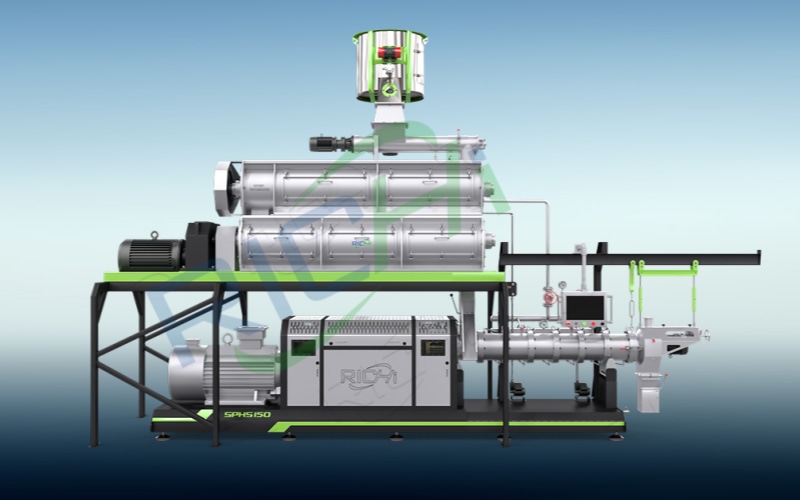
To solve these issues, the livestock industry has widely adopted grass feed pellets—compressed, nutrient-dense feed made from dried grasses and legumes. These pellets are produced using specialized equipment such as a grass pellet mill and high-efficiency systems like the alfalfa pellet mill for sale, which allow farmers and feed producers to convert raw forage into stable, digestible, and highly nutritious feed products.
This article explores in depth how grass feed pellets improve livestock nutrition, their production process, their advantages over traditional feed, and their role in modern animal husbandry systems.
1. Understanding Grass Feed Pellets
Grass feed pellets are compact cylindrical feed products made by compressing dried grasses, legumes, and other forage materials into uniform shapes.
Common raw materials include:
- Alfalfa
- Timothy grass
- Ryegrass
- Clover
- Straw and hay blends
These materials are processed, ground, and compressed into pellets that are easy to store, transport, and feed.
1.1 Why Pellet Form Matters
Turning loose grass into pellets provides several benefits:
- Improved nutrient density
- Reduced feed waste
- Easier storage and handling
- Better digestibility for livestock
Pelletization transforms bulky forage into a concentrated nutritional source.
2. Nutritional Advantages of Grass Feed Pellets
One of the main reasons grass pellets are widely used is their strong nutritional profile.
2.1 High Fiber Content
Fiber is essential for ruminant animals such as:
- Cattle
- Sheep
- Goats
Grass pellets provide:
- Stable digestion
- Healthy rumen function
- Improved feed efficiency
2.2 Balanced Energy and Protein
Depending on the raw materials, grass pellets contain:
- Moderate protein levels
- Natural carbohydrates
- Essential amino acids
Alfalfa-based pellets are especially rich in protein, making them ideal for high-performance livestock.
2.3 Vitamins and Minerals
Grass pellets naturally contain:
- Calcium
- Magnesium
- Potassium
- Vitamin A precursors (beta-carotene)
These nutrients support:
- Bone development
- Immune system strength
- Reproductive health
3. Role of Grass Pellet Mill in Feed Production
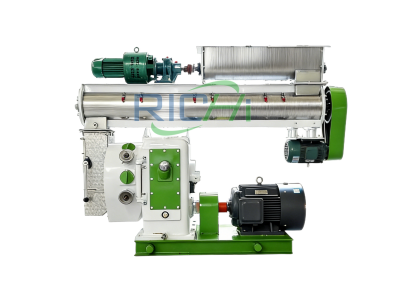
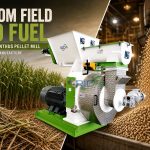
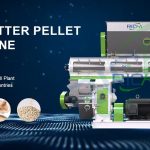
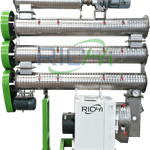
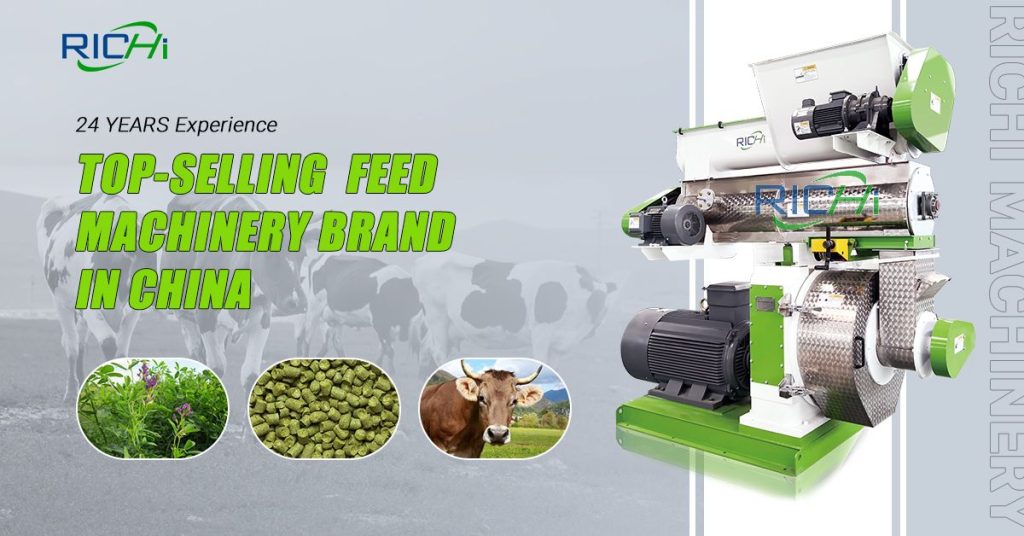
The high-efficiency grass pellet mill is the core machine used to transform raw forage into dense pellets.
3.1 Working Principle
- Dried grass is fed into the machine
- Material is crushed and conditioned
- Pressure forces material through a die
- Pellets are formed and cut to size
3.2 Key Benefits of Grass Pellet Mill
- Produces uniform pellet size
- Improves feed density
- Enhances storage stability
- Reduces feed wastage
3.3 Importance in Livestock Farming
The grass pellet mill allows farmers to:
- Utilize excess forage efficiently
- Reduce dependence on imported feed
- Improve feeding consistency
It is a key tool for modern livestock nutrition management.
4. Importance of Alfalfa Pellet Mill for Sale in Modern Farming
Alfalfa is one of the most valuable forage crops due to its high protein content and excellent digestibility.
The availability of alfalfa pellet mill for sale has made it easier for farms and feed producers to convert alfalfa into high-quality pellets.
4.1 Why Alfalfa Is Important
Alfalfa contains:
- High crude protein
- Rich fiber structure
- Essential vitamins and minerals
It is often referred to as the “queen of forage crops.”
4.2 Advantages of Using Alfalfa Pellet Mill
- Preserves nutritional value
- Produces highly digestible feed
- Reduces storage space requirements
- Extends shelf life of forage
4.3 Economic Benefits
Investing in an alfalfa pellet mill for sale allows producers to:
- Add value to raw crops
- Reduce feed purchase costs
- Increase profitability through pellet sales
5. Improved Feed Digestibility
Pelletization significantly improves digestibility.
5.1 Why Pellets Are Easier to Digest
- Smaller particle size
- Broken plant cell structure
- Improved enzyme accessibility
5.2 Impact on Livestock Performance
Improved digestibility leads to:
- Faster weight gain
- Higher milk production
- Better feed conversion ratio
6. Reduced Feed Waste
Loose hay and fresh grass often lead to:
- Selective feeding
- Trampling losses
- Spoilage
Grass pellets solve these problems.
Benefits include:
- Complete feed consumption
- Minimal wastage
- Controlled feeding portions
This improves farm efficiency.
7. Storage and Transportation Advantages
Grass feed pellets are much easier to store than raw forage.
Advantages:
- Compact size
- Lower moisture content
- Resistance to mold and spoilage
7.1 Cost Reduction in Logistics
- Reduced storage space
- Lower transportation costs
- Longer shelf life
This is especially important for large-scale farming operations.
8. Consistency in Nutritional Supply
One major challenge in livestock farming is feed inconsistency.
Grass pellets provide:
- Uniform nutrient distribution
- Standardized feeding quality
- Predictable animal performance
9. Improved Feed Conversion Ratio (FCR)
Feed conversion ratio measures how efficiently animals convert feed into body weight or milk.
Grass pellets improve FCR by:
- Providing balanced nutrition
- Enhancing digestibility
- Reducing waste
Better FCR means lower production costs.
10. Role in Ruminant Nutrition
Ruminants rely heavily on fiber-rich diets.
Grass pellets support:
- Rumen health
- Microbial balance
- Efficient fermentation
This leads to improved digestion and energy utilization.
11. Automation in Pellet Production
Modern grass pellet production uses automated systems.
Benefits:
- Stable output quality
- Reduced labor requirements
- Higher production efficiency
Automation ensures consistent pellet quality. (view website)
12. Environmental Benefits of Grass Pellets
Grass pellets support sustainable agriculture.
Benefits include:
- Reduced agricultural waste
- Efficient land use
- Lower environmental pollution
They help create a circular agricultural economy.
13. Economic Advantages for Farmers
Grass pellet production offers multiple financial benefits:
- Value addition to forage crops
- New revenue streams
- Reduced feed costs
- Marketable feed products
14. Quality Control in Pellet Production
Maintaining pellet quality requires:
- Proper drying of raw materials
- Controlled grinding size
- Accurate moisture balance
- Regular equipment maintenance
15. Common Challenges in Pellet Production
Challenges include:
- Raw material variability
- Equipment maintenance
- Energy consumption
- Initial investment cost
Proper planning helps overcome these issues.
https://pelletisingmachine.com/alfalfa-pellet-mill-for-sale
16. Integration into Modern Livestock Systems
Grass pellets are widely used in:
- Dairy farms
- Beef cattle operations
- Sheep and goat farms
- Horse nutrition systems
They provide reliable and efficient feeding solutions.
17. Future Trends in Grass Pellet Production
Future developments include:
- Smart pellet production systems
- AI-based feed formulation
- Energy-efficient machinery
- Sustainable forage utilization technologies
These innovations will further improve livestock nutrition efficiency.
Conclusion
Grass feed pellets play a vital role in improving livestock nutrition by providing a stable, digestible, and nutrient-rich feed source. They reduce waste, improve feed efficiency, enhance animal performance, and support sustainable farming practices.
The use of advanced equipment such as the grass pellet press and the increasingly accessible alfalfa pellet mill for sale has made it easier for farmers and feed producers to transform raw forage into high-value feed products.
As livestock farming continues to modernize, grass feed pellets will remain a key component in achieving efficient, profitable, and sustainable animal nutrition systems worldwide.