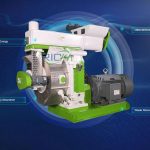

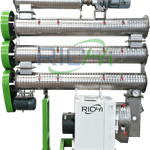


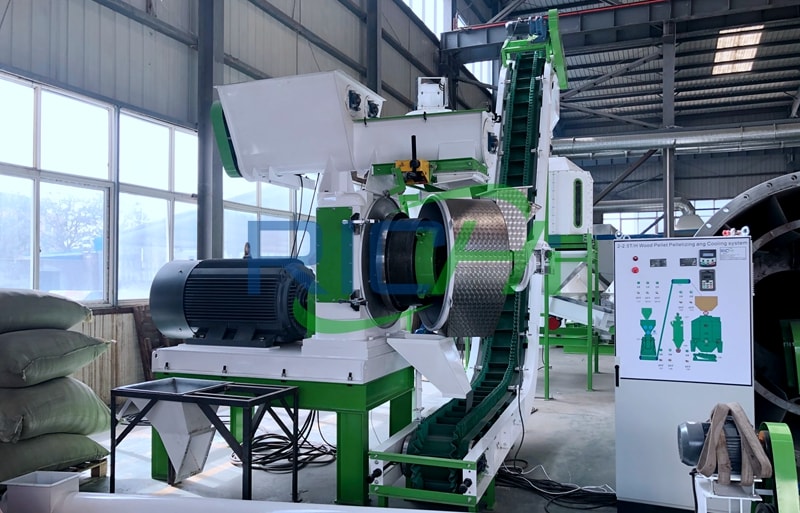
Wood biomass processing has grown rapidly as industries seek cleaner, renewable fuel alternatives. At the heart of this process lies one critical piece of equipment — the hammer mill for wood chips. Whether you’re building a new biomass facility or upgrading an existing one, understanding this machine’s role is essential to maximizing throughput and pellet quality.
What Does a Hammer Mill for Wood Chips Do?
A hammer mill reduces raw wood chips into fine, uniform particles suitable for pelletization. The machine uses high-speed rotating hammers to impact, shear, and grind the material until it passes through a screen of a specified size. The output particle size directly influences pellet density, durability, and combustion efficiency.
Raw wood chips typically range from 20–50 mm in length, far too coarse for pellet dies. A properly configured hammer mill reduces this to 3–5 mm particles — the ideal range for most pellet presses. Without this step, pellet mill dies would clog frequently, increasing downtime and maintenance costs.
Key Factors When Selecting a Hammer Mill
Not all hammer mills are created equal. When evaluating equipment for your operation, consider the following:
1. Screen Size and Particle Uniformity Finer screens produce more uniform particles but reduce throughput. Coarser screens increase capacity but may produce inconsistent feedstock. Most wood pellet manufacturing plant operators use 3–5 mm screens as a balanced standard.
2. Rotor Speed and Hammer Configuration Higher rotor speeds generate more impact force, which benefits harder materials like oak or bamboo. Adjustable hammer rows allow operators to tune performance based on seasonal moisture variation in feedstock.
3. Moisture Compatibility Wood chips with moisture content above 25% can clog standard hammer mills. Look for models with anti-blocking feed systems or integrated pre-drying options. If you want to see post documentation from manufacturers about moisture handling, most reputable suppliers publish detailed technical guides online.
4. Capacity Range Hammer mills are available from small 200 kg/h units suitable for pilot projects to industrial 10,000 kg/h systems for large-scale pellet plants. Match capacity to your pellet press output to avoid bottlenecks.
Integration With the Full Pellet Production Line
A hammer mill does not operate in isolation. It forms the second stage in a multi-step pellet production process:
- Chipping – Logs or branches are reduced to raw chips
- Grinding – The hammer mill reduces chips to fine particles
- Drying – Moisture is reduced to 10–15%
- Pelletizing – Particles are compressed into pellets
- Cooling and Packaging – Pellets are stabilized and bagged
Each stage must be matched in capacity to avoid inefficiencies. Suppliers who design complete lines — rather than standalone machines — typically deliver better long-term performance. Richi manufacture is one example of a company offering integrated biomass pellet line engineering, from raw material intake to finished pellet output.
Maintenance Tips for Long Service Life
Routine maintenance significantly extends hammer mill lifespan:
- Replace hammers regularly — worn hammers reduce particle fineness and increase energy consumption
- Inspect screens weekly — cracked or deformed screens cause particle size inconsistency
- Lubricate bearings per manufacturer schedule to prevent overheating
- Monitor vibration levels — unusual vibration often signals unbalanced rotors or foreign material ingestion
Keeping maintenance logs and tracking wear intervals allows plant operators to plan replacements proactively rather than reactively.
Conclusion
A hammer mill for wood chips is not simply a grinder — it is a precision instrument that determines the quality of everything downstream in your pellet line. Choosing the right model, integrating it correctly, and maintaining it properly are the three pillars of efficient biomass processing. Work with experienced equipment manufacturers who can support the full scope of your project, from single machine supply to complete turnkey plant design.