
Introduction
A cattle pellet machine for sale is a specialized machine designed to convert raw feed ingredients into uniform, nutritionally balanced pellets suitable for cattle. These machines are widely used in small-scale farms, medium-sized feed operations, and large industrial plants to improve feed efficiency, reduce waste, and promote animal health and productivity.
The increasing global demand for beef and dairy products has driven the need for high-quality cattle feed production equipment. Understanding the technology, cost factors, and applications of a cattle feed pellet mill is essential for farmers, feed producers, and investors seeking sustainable and profitable livestock operations.
History of Pellet Mills in Cattle Feed Production
The concept of feed pelleting dates back to the early 20th century. Before pellet mills, cattle were primarily fed mash or loose grains, which often led to selective feeding and uneven nutrient intake. The development of pellet mills allowed producers to create consistent, high-density feed that improves digestibility, reduces wastage, and ensures a balanced diet.
Technological advances in metallurgy, die design, and motor systems have made modern pellet mills more efficient, durable, and capable of handling a wide range of raw materials. Manufacturers such as RICHI have contributed to the evolution of cattle feed pellet mills by offering scalable and reliable equipment for both small and industrial farms.
Structure and Components of a Cattle Feed Pellet Mill
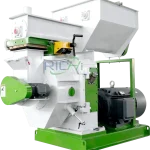
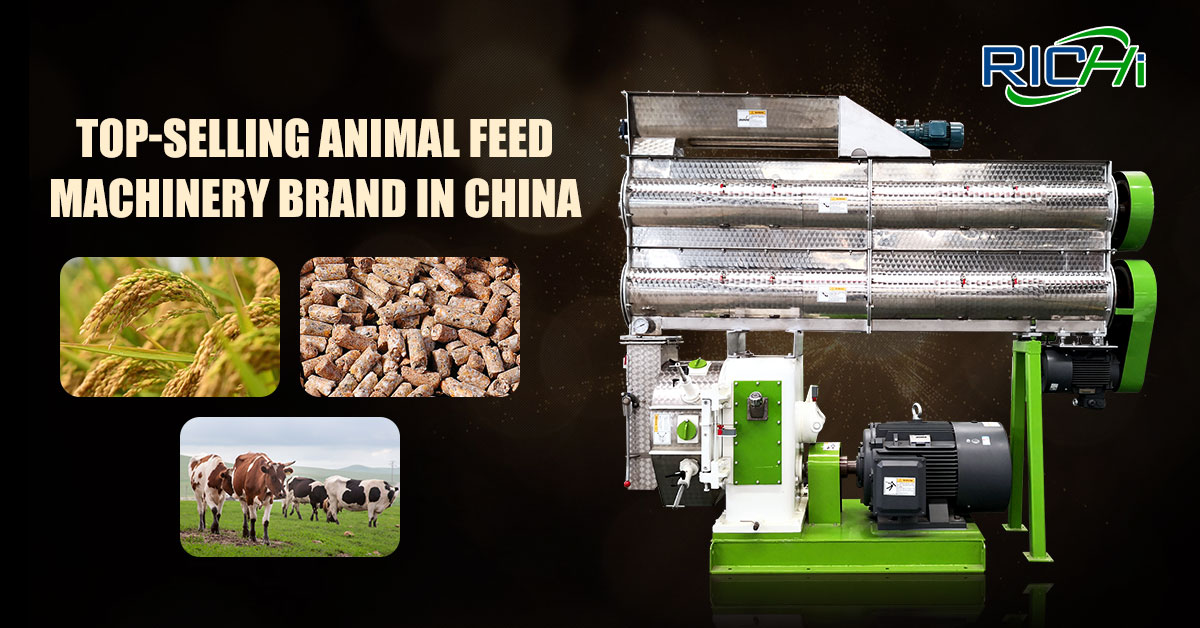
A typical cattle feed pellet mill for sale includes several key components:
Feeding System
Uniformly delivers raw materials into the pellet mill
Ensures continuous operation and prevents clogging
Conditioner
Adds moisture and heat to soften feed
Improves pellet durability and reduces energy consumption during pressing
Pelletizing Chamber
Houses the die and rollers that compress feed into pellets
Die types can include flat die or ring die, with ring die preferred for high-capacity operations
Drive System
Includes electric motors, gearboxes, and couplings that generate the necessary torque
Cutting and Discharge Mechanism
Cuts pellets to uniform lengths
Transfers finished feed for cooling and storage
Cooling and Screening (Optional)
Cools pellets to preserve quality
Screens remove fines and ensure size uniformity https://richipelletizer.com/pellet-machine-for-cattle-feed/
Working Principle
The working principle of a cattle feed pellet mill is based on mechanical extrusion:
Raw ingredients, such as grains, protein meals, and additives, are fed into the machine.
Feed is conditioned with heat and moisture to improve compressibility.
Rollers press feed against the die, forcing it through holes to form cylindrical pellets.
Knives trim pellets to the desired length.
Pellets are cooled, hardened, and ready for storage or packaging.
This process enhances feed consistency, nutrient availability, and overall cattle performance.
Common Raw Materials
Cattle feed pellet mills can process a wide variety of raw materials, including:
Cereal grains: corn, wheat, barley, sorghum
Protein meals: soybean meal, cottonseed meal, fish meal
Fibrous ingredients: rice bran, wheat bran, alfalfa meal
Additives: vitamins, minerals, amino acids, and enzymes
The machine’s adaptability to different raw materials allows producers to optimize feed formulations based on regional availability and nutritional requirements.
Types of Cattle Feed Pellet Mills
Flat Die Pellet Mill
Compact and affordable
Suitable for small farms
Produces lower capacity feed with simple operation and maintenance
Ring Die Pellet Mill
High efficiency and production capacity
Durable and suitable for commercial feed mills
Manufacturers like RICHI Pellet Mill supply ring die models optimized for cattle feed production
Pellet Size Considerations
The pellet size is important for cattle feed efficiency and digestibility:
Young calves: 4–6 mm diameter
Adult cattle: 6–10 mm diameter
Correct pellet size reduces selective feeding, ensures uniform nutrient intake, and enhances feed conversion rates.
Factors Affecting Cattle Feed Pellet Mill Price
The price of a cattle feed pellet mill for sale is influenced by several factors:
Production Capacity
Larger throughput requires reinforced structures, bigger motors, and precision components
Die Type and Material
Ring die machines are more expensive than flat die models
High-strength alloy dies improve durability
Automation Level
Fully automated machines with feeding, lubrication, and monitoring systems cost more but reduce labor and downtime
Raw Material Adaptability
Machines capable of processing fibrous and mixed materials are generally higher in price
Build Quality and Support
High-quality machines last longer and reduce long-term maintenance costs
Operating Costs and Maintenance
Operational considerations are crucial beyond the initial purchase:
Electricity and energy consumption
Labor costs
Routine maintenance including die and roller inspection
Material handling and storage
Proper maintenance extends machine lifespan, ensures consistent pellet quality, and minimizes downtime. Companies like RICHI offer technical guidance to optimize operational efficiency.
Applications in Cattle Farming
Cattle feed pellet mills are essential for various applications:
Dairy farms: ensure consistent milk production through balanced nutrition
Beef farms: support rapid growth and weight gain
Feed mills: produce commercial feed for regional or national distribution
Pelletized feed improves digestibility, reduces feed wastage, and enhances overall herd productivity.
Environmental and Sustainability Considerations
Modern pellet mills incorporate sustainable practices:
Use of agricultural by-products reduces waste
Energy-efficient motors reduce electricity consumption
Pelletized feed improves feed conversion ratios, reducing resource use
Dust collection and emission control comply with environmental standards
Sustainable operations reduce costs and environmental impact while improving profitability. See here now
Global Market Trends
Demand for cattle feed pellet mills is increasing globally due to expanding livestock industries
Technological advancements improve efficiency, automation, and feed quality
Competition among manufacturers, including RICHI, stabilizes pricing and quality
Modular designs allow scalability for small farms and large industrial operations
Conclusion
A cattle feed pellet mill for sale is an essential investment for modern livestock farming. Price and selection depend on production capacity, die type, automation, raw material adaptability, and build quality. Proper evaluation ensures efficient, sustainable, and profitable cattle feed production. Pellet making machine for sale australia